Dental tartar
Reduce stubborn deposits in your mouth? 10 tips for your daily oral care
-
Brush your teeth thoroughly and regularly
Clean your teeth at least twice a day for about two minutes each time. This helps remove soft deposits early before they harden. A consistent routine is the foundation for a fresh mouthfeel and clean tooth surfaces.
-
Don’t forget the interdental spaces
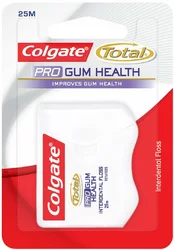
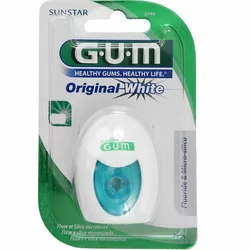
Use dental floss or interdental brushes daily to clean hard-to-reach areas. Deposits often form precisely where a toothbrush can’t reach. This addition can meaningfully support your oral hygiene.
-
Choose the right toothbrush
Opt for a soft or medium brush with a small head. It can help clean teeth gently yet thoroughly. Electric toothbrushes can also be a practical addition to your care routine.
-
Pay attention to the right toothpaste
Use a toothpaste with a fluoride content of about 1'000 to 1'500 ppm. It can complement your daily care and help protect teeth in the long term. You can find suitable options for different needs at the pharmacy or drugstore.
-
Complement your routine with mouthwashes
An appropriate mouthwash can round off your oral care. It reaches areas that are mechanically hard to access and provides a fresh mouthfeel. When choosing a product, make sure it fits your daily care routine.
-
Watch for changes early
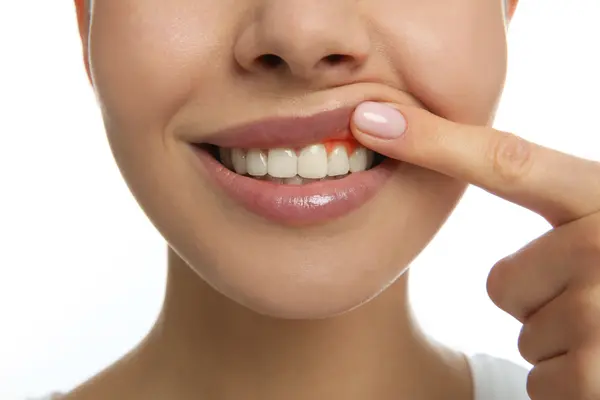
Look out for yellowish or brownish deposits along the gum line. They can feel rough and are often the first signs of hardened deposits. Early attention helps you adjust your care more effectively.
-
Rely on a balanced diet
Reduce foods high in sugar and starch, as they can promote deposit formation. A mindful diet can positively influence oral hygiene. Moderation with coffee, tea or red wine can also be beneficial.
-
Avoid smoking where possible
Tobacco use can further promote the formation and staining of deposits. Cutting down can therefore improve the appearance of your teeth and contribute to a fresher mouthfeel.
-
Use professional dental cleanings
Schedule regular professional dental cleanings, ideally once or twice a year. Hard-to-reach deposits can be removed during these visits. This measure complements your daily care optimally.
-
Be cautious with DIY methods
Home remedies or mechanical tools should be used with care. Improper use can unnecessarily damage tooth surfaces or gums. If in doubt, ask for advice on suitable products at the pharmacy or your dental practice.