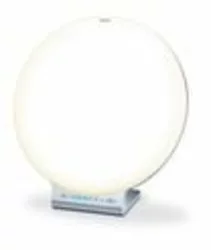
Daylight
10 steps for more energy through natural light
-
Place light sources deliberately
Position workspaces, reading corners or dining tables near windows or skylights. This way you benefit from natural light even indoors and boost your alertness and mood.
-
Light colours and reflective surfaces
Use white or light-coloured wall paints and floors that reflect light. Dark furniture and carpets absorb light and can make rooms feel gloomy quickly.
-
Use flexible window coverings
Install curtains or blinds that are easy to open, close or adjust. This allows you to reduce glare and control brightness as needed.
-
Spend your lunch break outdoors
Use the midday break for a walk outside or a snack in the park. Even on cloudy days you get high light levels that support energy and concentration.
-
Light therapy as winter support
For seasonal tiredness or winter blues, a daylight lamp can help. 30 minutes in the morning in front of a lamp of at least 2'500 Lux improves mood and activity.
-
Simulate a sunrise
Dawn-simulating alarm clocks help you wake up more naturally. They mimic the sunrise, make getting up easier and promote a balanced sleep-wake rhythm.
-
Keep window sills clear for light
Avoid bulky plants or decorations directly in front of windows. This lets more light into the room and helps it distribute more evenly.
-
Plan outdoor activity
An hour a day outdoors provides not only light but also encourages physical activity. Short walks or bike rides are already enough.
-
Protect against overheating from light
Direct sunlight can fade furniture and overheat rooms. With adjustable curtains or blinds you keep control over the amount of light and the room temperature.
- Top up vitamin D from the sun
Take every opportunity for short outdoor stays. Sunlight supports the production of vitamin D, which is important for bones, teeth and the immune system.