Cravings
10 practical strategies to tackle sudden food cravings
-
Choose complex carbohydrates
At main meals and snacks, opt consciously for whole grains, legumes or vegetables. Oatmeal with nuts or whole-grain bread with hummus, for example, raise blood sugar more evenly and keep you feeling full for longer.
-
Schedule regular meals
Avoid long gaps between meals by planning three main meals and small in-between snacks. This keeps energy levels steady and makes sudden cravings less frequent.
-
Make use of protein-rich foods
Protein-rich foods such as quark, yogurt, eggs or legumes promote satiety and slow digestion. Planning a snack of yogurt with oats or a small chickpea salad will help you stay full longer and reduce the risk of impulsive snacking.
-
Avoid flavour enhancers
Products containing glutamate, heavily processed flavourings or ready meals can unconsciously stimulate appetite. Check ingredient lists and choose fresh or gently processed foods.
-
Eat high-fibre foods
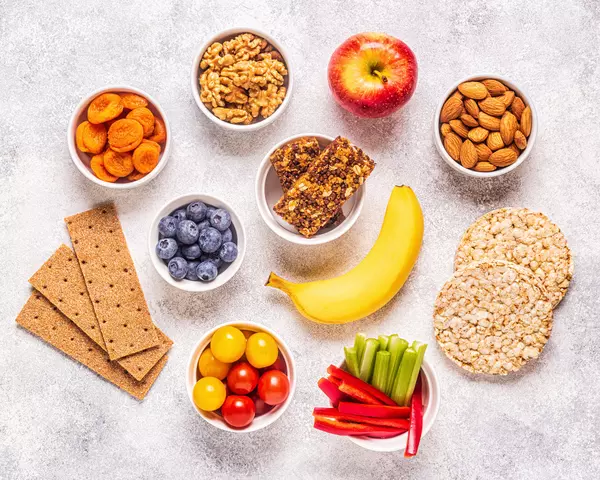
Fruit, vegetables, nuts and seeds support gut health and increase feelings of fullness. Add a portion of vegetables or whole grains to each main course — e.g. broccoli, Brussels sprouts or brown rice — to help stabilise blood sugar and avoid cravings.
-
Manage stress intentionally
Cravings are often triggered by psychological stress. Use short relaxation exercises, breathing techniques or a walk in the fresh air to relieve excess tension. Just 5–10 minutes of mindful relaxation can substantially reduce the urge to eat uncontrollably.
-
Drink before eating
Drink a glass of water or unsweetened tea as soon as you feel hungry. Thirst is often mistaken for hunger. Drink 200–300 ml of water about 10 minutes before a meal to support the feeling of fullness.
-
Use bitter flavours
Foods such as chicory, rocket, grapefruit or herbs like dandelion have appetite-suppressing effects. They encourage the release of hormones that activate the satiety centre. Intentionally add bitter components to salads or vegetable dishes to help avoid cravings.
-
Include healthy fats
Cravings for fried foods often indicate a lack of fatty acids. Use healthy fats — for example in avocados, nuts or fatty fish such as salmon.
- Use movement strategically
Short bouts of activity like taking the stairs, brisk walking or cycling help to burn off excess energy. This reduces cravings and lowers the desire for impulsive snacks.