Coenzyme Q10
10 essential tips for everyday life with coenzyme Q10
-
Pay attention to natural coenzyme Q10 sources in your diet
Coenzyme Q10 is found mainly in fatty animal foods such as meat, fish, poultry, liver, eggs and butter. Include these consciously in your meal plan to naturally meet your daily requirement of 5 to 10 mg.
-
Also make use of plant sources of coenzyme Q10
Besides animal products, soybean, rapeseed and sesame oil, legumes, soy products and nuts contain smaller amounts. Vary your diet to make the most of these plant-based sources as well.
-
Support the body’s own production with key nutrients
The synthesis of coenzyme Q10 requires the amino acids phenylalanine and tyrosine as well as sufficient B-vitamins and vitamin E. Therefore, ensure a balanced diet including dairy, vegetables, nuts, meat and fish.
-
Supplement coenzyme Q10 only when there is an increased need
In general, the body produces enough coenzyme Q10 so additional intake is not necessary. However, supplementation may be useful in certain health conditions or at older ages. Consult your doctor to discuss this.
-
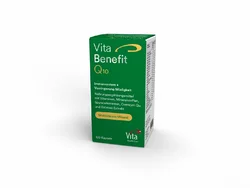
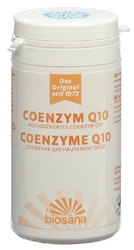
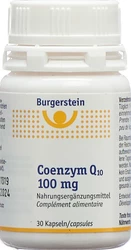
Check the quality of coenzyme Q10 in supplements
If you choose a supplement, opt for high-quality products with good bioavailability. The active form of coenzyme Q10, ubiquinol, is particularly well absorbed by the body. Inform yourself about the formulation and composition before choosing.
-
Take coenzyme Q10 preferably with a fat-containing meal
As coenzyme Q10 is fat-soluble, taking it with fatty foods significantly improves absorption. Plan to take your supplements with main meals to maximise their benefit.
-
Dosage with care and according to need
The recommended intake ranges between 30 and 200 mg per day. Higher doses should only be taken on medical advice as they may cause side effects such as stomach discomfort or headaches.
-
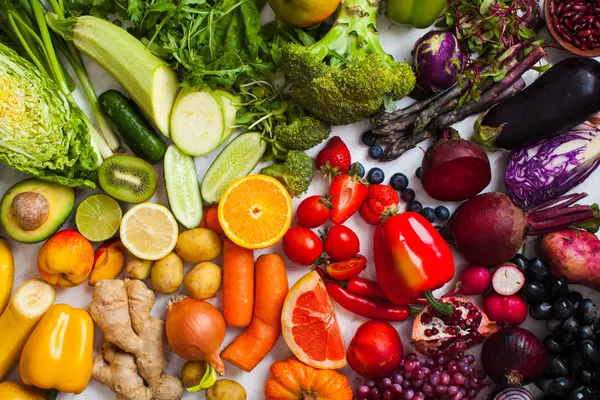
Fruits, vegetables and dairy contain only small amounts of coenzyme Q10
Unfortunately these foods supply only very small amounts of Q10. They should therefore complement a Q10 strategy but not be the main source.
-
Plant foods rich in mevalonic acid support Q10 production
Mevalonic acid, a building block for the coenzyme, is particularly present in certain plant foods. These support your body’s own production and contribute to optimal supply.
- Use coenzyme Q10 as part of your holistic health approach
Often a balanced diet is sufficient to cover your needs. However, pay attention to a healthy lifestyle that includes exercise and stress management to best support the effects of coenzyme Q10.