Blisters on the foot
10 tips for blister-free feet
-
Early protection against blister formation
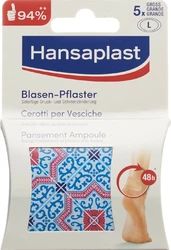
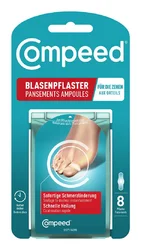
If you notice the first signs of a blister, immediately apply a plaster or tape to the affected area. This protects the skin from further friction and prevents the blister from bursting.
-
Epsom-salt foot bath as gentle care
If the blister is still closed, dissolve 1-2 tablespoons of Epsom salt in warm water and soak your feet for 15 minutes. This foot bath soothes the skin and relieves irritation before the blister bursts.
-
Chamomile tea bags for natural soothing
Prepare chamomile tea, let the tea bags cool and place them directly on the blister. The active compounds they contain, such as bisabolol, reduce inflammation and pain naturally.
-
Saline compresses to cool
Dissolve one tablespoon of salt in 100 millilitres of water. Soak a washcloth in it and cool the affected area. This effectively reduces swelling and irritation.
-
Use aloe vera gel to relieve pain
Apply aloe vera gel to closed blisters several times a day. It moisturises, has anti-inflammatory properties and soothes the skin.
-
Calendula ointment to prevent inflammation
Apply calendula ointment two to three times a day. Ensure hygienic application – ideally with a cotton swab.
-
Diluted tea tree oil as antibacterial care
Mix tea tree oil with water in a 1:3 ratio and apply it with a cotton pad. Rinse it off with clean water after ten minutes of exposure.
-
Use apple cider vinegar cautiously
Dilute apple cider vinegar 1:1 with water and dab it gently on the affected area. It has antibacterial properties and may promote healing.
-
Choose appropriate socks and shoes
Wear moisture-managing, seam-free socks to reduce friction and prevent blisters. Pair them with well-fitting, breathable shoes that neither press nor rub. This creates the optimal base for blister-free feet.
- Wound disinfection for open blisters
If a blister has burst, you should immediately clean the wound with a suitable disinfectant. This prevents infections and supports wound healing.