Bath additives
10 tips to make your next bath a true spa experience
-
Mind the ideal bath temperature
For bath additives to work at their best, the water should be between 37 and 38 °C. This temperature relaxes the body without overburdening the circulation. For medical additives like Tamol, a lower temperature is even recommended – an important step for a skin‑friendly wellness ritual.
-
Choose bath additives according to your skin type
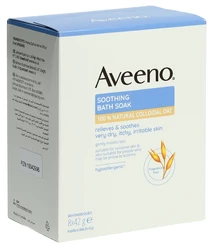
Your skin determines what benefits it. Oil baths calm dry skin and leave a protective lipid layer, while bubble baths or herbal baths refresh or invigorate. In drugstores and pharmacies you can find a wide selection of re‑fatting oil baths, gentle cream baths or nourishing plant essences – perfectly matched to individual needs.
-
Use herbal baths with purpose
Herbal baths are well researched. Pine needles and thyme are, for example, ideal for colds and help improve circulation. Lavender, valerian and lemon balm are soothing and promote sleep. Meadow flowers release muscle tension and relieve joint complaints. Choose your bath additive according to how you feel and your physical well‑being.
-
Rely on oil baths for dry or sensitive skin
Re‑fatting bath oils containing almond oil, shea butter or evening primrose oil protect the skin barrier and prevent the skin from being stripped in warm water. An oil film remains after the bath – often saving you the need to moisturise. Pharmacy products often also contain polidocanol, which effectively relieves itching.
-
Use medical bath additives with care
For inflamed or weeping skin areas, additives with synthetic tannins (Tamol) can be soothing. Potassium permanganate or chlorine‑containing bath additives are also used for certain skin conditions – but always on medical advice. These products can be problem solvers, but must be dosed correctly.
-
Ease cold symptoms with aromatic additives
Additives containing eucalyptus, menthol or camphor loosen stubborn mucus and make breathing easier. They act warming and clearing at the same time. There are special, milder cold baths for children that contain only eucalyptus – safe and effective for small airways.
-
Use bath salts for a mineral‑rich wellness experience
Whether Dead Sea salt, magnesium salts or simple sea salts – salt baths clean pores thoroughly, soothe irritated skin and support moisture balance. Dead Sea salt is especially soothing for dry skin, tightness or itching. At the pharmacy you can find versions without additives for particularly sensitive skin.
-
Treat yourself to classic care rituals like whey baths or the Cleopatra bath
Whey baths strengthen the natural acid mantle and supply the skin intensively with lactic acid, minerals and proteins. The Cleopatra bath with milk, honey and high‑quality oils makes the skin silky soft and is particularly suitable for stressed or eczema‑prone skin. Both treatments are small luxury rituals for home.
-
Use essential oils purposefully and safely
Bath additives with essential oils are real mood lifters. Citrus scents refresh and energise, rosemary promotes circulation and invigorates, lavender and lemon balm calm. Make sure to choose high‑quality, pure oils. Dilution is mandatory, as essential essences are highly concentrated.
-
Keep bath duration and frequency in mind
A full bath should last no more than 15–20 minutes to avoid excessively stressing the skin barrier. For dry skin, just 10 minutes of bathing per week is often enough. That way you enjoy the beneficial effects of your bath additives without drying out the skin or straining the circulation.