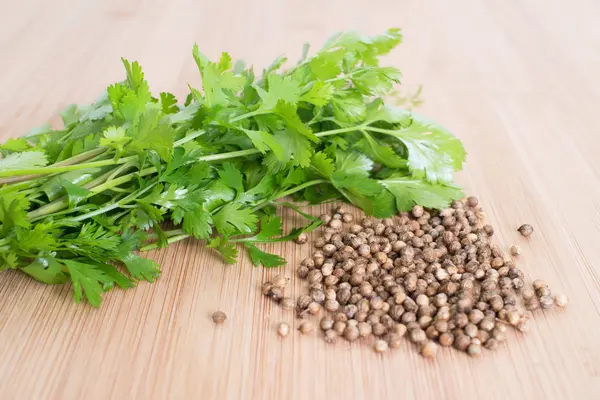
Basil
10 ways to enhance dishes with fresh flavour
-
Make your own flavoured oil
You can steep fresh leaves in cold-pressed olive oil to create a flavoured oil. Make sure all parts of the plant are completely covered by oil. This creates an aromatic base for salads and warm dishes.
-
Pesto as a classic use
One of the best-known uses is making pesto, where the leaves are crushed. This can be done traditionally in a mortar or more modernly with a blender. Combined with oil, nuts and cheese, it becomes a versatile flavour paste.
-
Use basil fresh in the kitchen
Use the leaves preferably fresh, as they lose much of their aroma when dried. The herb pairs especially well with tomatoes, garlic, olive oil or peppers. Ideal for dishes like pasta or Caprese.
-
Store fresh basil correctly
Store the leaves in a cool place and slightly moist so they retain their aroma. If you want to keep the herb for longer, you can alternatively freeze it. This way you'll have an aromatic ingredient even out of season.
-
Use freezing as a preservation method
Freeze the leaves either plain or in a little oil to preserve flavour and colour as well as possible. Portioning them in ice cube trays is particularly practical. That way you can add small amounts directly to dishes.
-
Blanch for better shelf life
If you briefly blanch the leaves, the green colour is better preserved when frozen. They should then be immediately shocked in ice water and carefully dried. Afterwards they freeze well in portions.
-
Mind the right timing when cooking
Add the herb only at the end of preparation so the aroma is not lost. For warm dishes it should not be cooked for long. This keeps the flavour fresh and intense.
-
Be gentle with the leaves when processing
Tear or crumble the leaves rather than cutting them finely. This helps keep the essential oils intact. For fine strips, a sharp knife is suitable to protect the aroma.
-
Use basil in cold dishes
The herb is excellent for cold dishes like salads or bruschetta. It is used raw and only roughly torn or cut. This preserves the full aroma.
- Use in drinks and light recipes
The herb can also be used in drinks like lemon water or smoothies. It provides a fresh, aromatic note. It is also suitable for light summer dishes or cold soups.