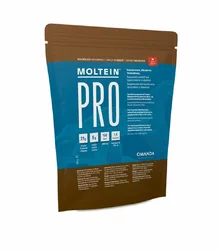
Whey protein
10 tips for more power on the plate and in training
-
Choose the right amount of protein
For physically active people, a daily protein intake of about 1.2 to 2.0 g per kilogram of body weight can be appropriate. Whey protein can help you reach this amount in a practical way. It allows targeted supplementation of the diet without complicated planning.
-
Use whey protein around training
Whey protein is rapidly absorbed and can be particularly useful before or after training. Typical servings are around 25–30 g. This helps structure protein intake around exercise effectively.
-
Distribute protein throughout the day
Experts recommend spreading protein over 3–4 meals per day. This can help ensure a steady supply. Whey protein works well as a flexible supplement between meals.
-
Pay attention to different protein forms
Whey protein is available as concentrate, isolate or hydrolysate. Isolates usually contain more protein and less lactose, while hydrolysates are more broken down and often taste more bitter. For many recreational athletes, the concentrate is a practical and cost-effective choice.
-
Check additives critically
Many products contain sweeteners, flavourings or thickeners to improve taste and texture. Plant proteins such as soy may also be added. A look at the ingredient list helps to better assess quality.
-
Don't rely solely on powders
Protein-rich foods like low-fat quark (approx. 68 g protein per 500 g) or milk (approx. 35 g per litre) also provide substantial protein. Whey protein can complement these foods but does not replace a balanced diet.
-
Choose products from reliable sources
In the sports sector, products can sometimes contain problematic additives. Various platforms can help with orientation. Therefore pay attention to tested quality from trustworthy sources.
-
Consider your individual tolerance
Whey protein is milk-based and not suitable for everyone. In cases of lactose intolerance or allergies, an isolate may be better tolerated or a plant-based alternative may make sense. Tailor your choice to your needs.
-
Consider plant-based alternatives
Studies show that soy protein can also support a comparable increase in muscle mass. In addition, plant proteins can offer antioxidant benefits. Combining different sources can therefore be sensible.
-
Use whey protein flexibly in everyday life
Whey protein can be used not only as a shake but also mixed into yoghurt, porridge or desserts. This makes it easy to increase protein intake. This keeps your diet varied and practical for daily life.