Vitamin D
10 tips for better supply of the "sun vitamin"
-
Have your vitamin D level measured
Before taking action, you should determine your current level – either with your GP or using an inexpensive online test. A level below 30 ng/ml is considered deficient; a target of around 40 ng/ml is optimal.
-
Choose the appropriate form for supplements
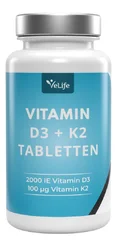
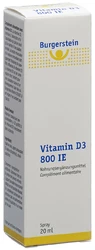
Vitamin D is available as drops or capsules. Drops offer the advantage of precise, individual dosing and are particularly useful if you want to tailor the intake exactly to your needs.
-
Always take vitamin D with some fat
As it is fat‑soluble, fat in a meal or salad dressing improves absorption. You do not need to consume large amounts of fat; the typical fat content of a meal is sufficient.
-
The ideal time to take it is in the morning or at midday
Taking it in the morning or at midday is recommended, as some reports link evening intake to sleep disturbances. Vitamin D is also better absorbed when taken with a meal rather than on an empty stomach.
-
Watch the dose to avoid overdosing
Vitamin D can accumulate in body fat. For this reason, you should have your level rechecked after about two to three months.
-
Include vitamin‑D‑rich foods in your diet
Mushrooms, especially wild varieties like porcini and chanterelles, contain notable amounts of vitamin D. Sun‑dried mushrooms collected in summer can be a valuable source in winter. Eggs, oily fish and certain seafood also support your vitamin D intake.
-
Support vitamin D action with magnesium
Magnesium activates vitamin D in the body. A supplement of 200 to 300 mg of magnesium per day is therefore a sensible accompaniment to vitamin D supplementation – especially if your diet is not rich in magnesium.
-
Use the summer months for healthy sun exposure
Check the current UV index before sun exposure to avoid overexposure. Arms and, where possible, legs should be uncovered.
-
Be cautious with the sun
Generally, regular short periods in the sun are sufficient, for example a daily 15 minutes at midday without sunscreen on the face, hands and arms, to produce adequate vitamin D. To keep your skin healthy, avoid sunburn and prolonged sunbathing.
-
Acclimatise your skin to the sun slowly
If your skin has had little sun exposure for some time, start with short, cautious exposures to avoid sunburn. Fair‑skinned people generally need less time in the sun than darker‑skinned people – adapt exposure to your skin type.