Vitamin C
Strong and vital with these 10 Vitamin C strategies
-
Fresh fruit and vegetables as a vitamin C source
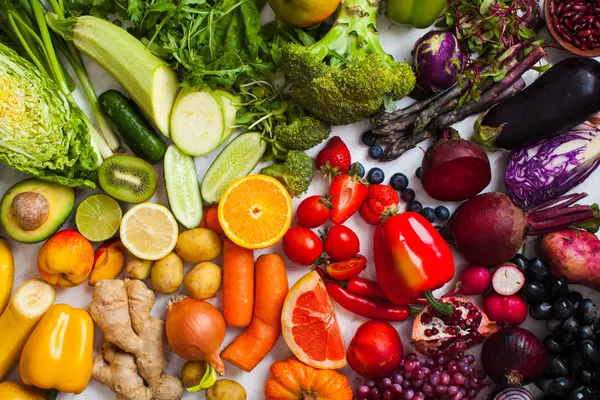
Choose a colourful selection of fresh fruits such as oranges, strawberries and kiwi, as well as green vegetables like broccoli or peppers. These foods naturally provide plenty of vitamin C and support your health in a pleasant way. In addition to citrus fruits, rose hips, acerola or camu-camu are also concentrated natural sources of vitamin C – perfect for those looking for something special.
-
Enjoy raw or gently prepared
Vitamin C is sensitive to heat, so it is recommended to eat vegetables and fruits preferably raw or only lightly steamed. This preserves the content and ensures you fully benefit from the nutrients.
-
Pay attention to quality and freshness
The effectiveness of vitamin C is largely determined by the quality of the foods or products. Prefer fresh, seasonal produce to achieve the maximum benefit.
-
Supplement your diet sensibly
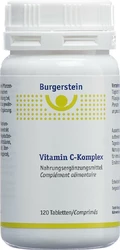
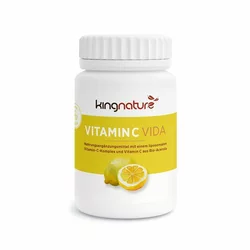
If you have difficulty getting enough vitamin C every day, high-quality dietary supplements can be a practical alternative. Choose vitamin C products with high bioavailability. When buying supplements, look for forms such as ascorbic acid combined with bioflavonoids. These promote better absorption and work synergistically so your body can use the vitamin more efficiently.
-
Use vitamin C tablets or effervescent tablets for increased needs
If you want to meet your vitamin C needs quickly and conveniently, effervescent tablets are a practical choice. They are easy to take and provide additional fluids – ideal during physical exertion or stress.
-
Observe the daily dose
The recommended daily dose is about 100 mg, and may be higher when needs increase (e.g. during stress, for smokers or during a cold). Inform yourself so you don't waste important reserves.
-
Vitamin C in combination with other nutrients
Vitamin C works particularly well with iron because it improves its absorption in the body. Many products offer a combination of vitamin C, vitamin D and zinc. This mix supports the immune system more effectively and provides comprehensive protection, especially during cold season.
-
Support your immune system in the long term
Adequate vitamin C supply helps not only with colds but also strengthens your defences throughout the year. Make daily intake a fixed part of your health prevention routine.
-
Vitamin C as a natural booster for athletes
After physical exertion, vitamin C helps regenerate your muscles and supports healing of minor injuries. Pay attention to a vitamin-rich diet, especially during intensive training sessions.
-
Use vitamin C to help manage stress
Vitamin C can help reduce the negative effects of stress on the body by lowering oxidative stress. In stressful phases, a conscious diet including this valuable vitamin is recommended.