Tea tree oil
10 secret tricks with the green miracle remedy
-
Treat warts locally
Tea tree oil can help with warts, which are usually caused by human papillomaviruses (HPV), thanks to its antiviral effects. The component terpinen‑4‑ol inhibits viral replication and supports skin regeneration. Apply pure tea tree oil spot‑wise to the wart with a cotton swab, protect the surrounding skin and then clean or disinfect your hands.
-
Patch test before widespread use
Always perform a patch test before using over large areas: apply a few drops of the diluted mixture to the inner elbow and observe for 24 hours. If redness, itching or a rash appear, do not use.
-
Dilute correctly
Make sure to buy a product that is already diluted or dilute pure oil safely yourself. A concentration of around 1% maximum is recommended, as higher concentrations significantly increase the risk of skin irritation.
-
Store dark and cool
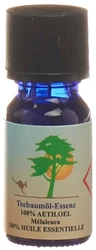
Store tea tree oil in its original packaging in a cool, dark place, ideally in a dark glass bottle. This protects the active substances from light and oxygen and reduces the risk of breakdown and allergenic changes.
-
Mix with a carrier oil for massage
For body massages, mix a few drops of tea tree oil with a neutral plant oil (e.g. sweet almond or jojoba). This soothes the skin and reduces the risk of irritation from undiluted oil.
-
Soothe the scalp with shampoo
Add no more than five to seven drops of tea tree oil to your regular shampoo to soothe a flaky or itchy scalp. Distribute well and check tolerance.
-
Do not apply to open wounds
Do not apply the product to open wounds, fresh abrasions or popped pimples. Wait until the skin is fully healed to avoid irritation.
-
Mouth rinse for inflammations
For inflammations in the mouth or throat you can add three to five drops of tea tree oil to a glass of water and use it as a mouth rinse. Do not swallow the solution.
-
Hygienic laundry care
For hygienic purposes (e.g. underwear or baby clothes) you can add about 20 drops of tea tree oil to the washing machine. This provides extra hygiene without harsh chemicals.
- Insect repellent at windows and for bites
Put a few drops on the lower edge of open windows on the wood or seal to keep mosquitoes, wasps and ticks away. For insect bites, quick application may provide relief and reduce allergic reactions.