Oncological skincare
10 tips for resilient skin in challenging times
-
Start specialised skincare early
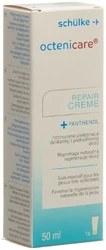
Ideally start before treatment begins with particularly gentle, moisturizing skincare products. This helps strengthen the skin barrier so it can better withstand the stresses ahead. Pharmacies offer medically developed products specifically for this sensitive phase.
-
Opt for especially mild cleansing
Use soap‑free, fragrance‑free cleansers with re‑lipidising ingredients. Harsh surfactants, alcohol and fragrances can further irritate already weakened skin. Gentle cleansing milk or wash creams protect the skin's natural barrier.
-
Daily sunscreen is essential
During cancer therapy the skin becomes noticeably more sensitive to UV radiation. A high mineral sunscreen containing zinc or titanium dioxide is an absolute must – even on cloudy days. Clothing, hats and sunglasses also provide additional protection.
-
Treat dry skin intensively and regularly
Emollient creams with urea, panthenol, ceramides or plant oils help relieve tightness, redness and itching. Apply the product several times a day – especially after washing. Your skin will feel noticeably smoother.
-
Protect hair & scalp consistently
Avoid hot hairdryer air, perms, colouring and harsh shampoos. Use lukewarm water and let hair dry naturally where possible. Even a hairless scalp needs daily care with rich creams or light oils.
-
Use make‑up selectively for greater comfort
Subtle medical camouflage make‑up can even out pallor, redness or scarring and give the face a fresher appearance. Always discuss products with your treating physician and choose only highly tolerated formulations.
-
Care for scars only after full healing
Scars should be treated in a targeted way only once fully healed. Special ointments from the pharmacy together with consistent sun protection help improve skin texture and reduce discolouration. Patience is especially important here.
-
Pay attention to mucous membranes as well
Dry oral mucosa is a common side effect. Use a soft toothbrush, mild toothpaste without essential oils, moisturizing oral gels and soothing sage tea. Good oral hygiene significantly improves comfort.
-
Listen to the signals from your skin
Not every skin reacts the same way. What helps others may not suit you. Seek regular advice from medically trained staff and adapt your skincare individually to the course of treatment and the condition of your skin.
-
Trust trained oncological skincare professionals
Make sure your beautician or aesthetician holds a recognised certificate in oncological skincare. This ensures that every treatment is performed safely, gently and in a way that supports therapy.