Loss of appetite
10 tips to gently bring back your appetite
- \n
- \n
Rely on bitter substances as a natural appetite stimulant
\n \n
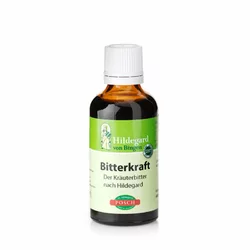
Bitter substances such as wormwood, gentian, dandelion, artichoke or centaury stimulate saliva and digestive juices – a key mechanism when the body signals "no appetite". Dietary supplements or bitter tea from the pharmacy are a gentle but effective option. Ask for advice on which blend is ideal for your situation.
\n- \n
- \n
Eat small portions – more often
\n \n
Weakened appetite needs relief, not overload. Several small meals spread over the day are easier to digest and stimulate the stomach through regular cues. Mini snacks like nuts, muesli bars or liquid nutritional drinks can make it easier to get started.
\n- \n
- \n
Activate your senses
\n \n
Appetite begins visually. A nicely plated portion, fresh herbs, colourful ingredients or pleasant table lighting can do more than you might expect. Also use appetite-stimulating aromas such as ginger or cinnamon tea, which warm you comfortably.
\n- \n
- \n
Avoid large amounts of drinks before eating
\n \n
Water, tea or juice spritzers fill you up quickly – and take away the little hunger that is present. Prefer to drink throughout the day and enjoy a bitter tea 15–20 minutes before a meal to promote the digestive stimulus.
\n- \n
- \n
Use aromatic herbs and spices to stimulate appetite
\n \n
Ginger, chives, turmeric or cinnamon not only support digestion but also bring back flavourful liveliness. In pharmacies you will find suitable herbal tea blends or plant-based preparations that gently stimulate the appetite.
\n- \n
- \n
Eat in company when possible
\n \n
Shared meals have been shown to stimulate appetite. If eating alone is difficult, meal-accompaniment videos, phone calls or regular meal meet-ups can help.
\n- \n
- \n
Pay attention to the environment: fresh air and pleasant smells
\n \n
Ventilate well before eating and avoid strong kitchen smells that can suppress appetite. A short walk or light activity before a meal also boosts metabolism – and often increases appetite more than you expect.
\n- \n
- \n
Treat yourself to light, well tolerated "emergency foods"
\n \n
When almost nothing works, sorbets, mild milk ice cream or pureed soups can ease the start. They are easy to eat and, if needed, can be enriched with protein powder or liquid nutritional supplements from the pharmacy to secure nutrient intake.
\n- \n
- \n
Use appetite-stimulating teas and tonics purposefully
\n \n
Teas made from caraway, yarrow, dandelion or bitter herb blends are classic helpers for loss of appetite. In pharmacies you can find tested medicinal teas and herbal drops that act gently but effectively – ideal for temporary appetite reduction.
\n- \n
- \n
Observe your eating behaviour – and seek medical help if needed
\n \n
Loss of appetite is often harmless, but can be a sign of physical or psychological strain. If it persists or you unintentionally lose more than five kilograms in six months, medical assessment should be sought.