Leaky gut syndrome
10 methods to strengthen the intestinal barrier
-
Reduce consumption of stressful indulgences
Cut down on intake of sugar, alcohol, nicotine, caffeinated drinks and intense sweeteners. A diet based on as-natural and nutrient‑rich foods as possible can help supply the body with important vital nutrients and ease the burden on the digestive system.
-
Manage stress intentionally
Stressful situations such as conflicts, breakups or prolonged overload can negatively affect overall wellbeing. Intentionally schedule relaxing activities such as walks, yoga or breathing exercises.
-
Include mucilaginous foods
Temporarily complement your diet with foods such as flaxseeds, psyllium husks or chia seeds. These form a gel‑like consistency in water and can naturally support the digestive tract.
-
Prepare traditional flaxseed gel
Soak two to three tablespoons of flaxseeds in 250 to 500 millilitres of water the evening before. Briefly bring the resulting gel to the boil in the morning, strain it through a fine sieve and drink it lukewarm over the course of the day.
-
Use mucilage‑containing herbal teas
For example, prepare licorice root tea by briefly boiling a teaspoon of the root in about 150 millilitres of water. Alternatively, steep marshmallow root in cold water and strain after one to two hours. Sip these teas slowly and take a break after several weeks of use.
-
Support your gut microbiome with probiotic foods
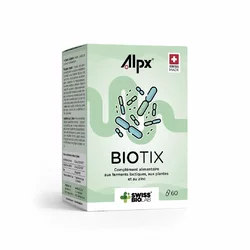
Include fermented foods such as raw sauerkraut or other lactic‑fermented products in your diet. Probiotic supplements containing selected bacterial strains can also be a useful addition.
-
Use bitter compounds for a conscious digestive routine
Complement your diet with bitter herbs and spices such as dandelion, yarrow, chicory, sage, ginger, galangal or turmeric. Herbal elixirs or bitter blends can also be a way to incorporate these plant compounds into daily life.
-
Provide your body with important vital nutrients
Focus on a varied diet that supplies, among others, vitamins A, C, D and E as well as B‑complex vitamins, zinc, magnesium, iron and selenium. These nutrients contribute to various normal bodily functions.
-
Include plant compounds with antioxidant effects
Incorporate plant compounds such as OPC, curcumin, quercetin, anthocyanins or astaxanthin into your diet. These secondary plant substances provide antioxidant agents and can be a useful addition to a varied diet.
- Chew your food thoroughly
Take time for your meals and chew every bite carefully. Thorough breakdown of food makes it easier for the digestive system to process and can help nutrients be absorbed more effectively.