Iron
10 simple steps to better blood values
-
Determine your individual needs
Recommended daily amounts vary: men need about 10-11 mg, women of childbearing age 15-16 mg and after menopause 10-14 mg. Pregnant women need considerably more (approx. 27-30 mg), breastfeeding women about 16-20 mg and children depending on age about 8-15 mg.
-
Use well-absorbed iron from animal sources
Animal-derived iron is particularly efficiently utilised. Practical examples include pork liver, calf liver, beef liver as well as beef, lamb and game.
-
Complement with plant-based iron sources
Iron-rich plant sources include pumpkin seeds, sesame, soybeans, lentils and spinach. Combine different sources to increase total intake.
-
Choose iron-rich cereal products and sourdough bread
Wheat bran, amaranth, quinoa, millet, oats, spelt and buckwheat are good cereal sources, as is sourdough bread, which is ideal for breakfast or as a side dish.
-
Dried fruit and berries as a convenient addition
Dried apricots, dates, figs and apple rings as well as currants, elderberries, blackberries and blueberries are suitable as snacks or in muesli for extra iron intake.
-
Use freshly prepared juices sensibly
Juices from black or red currants, mango, blackberries or raspberries provide iron and combine well. With a mild deficiency, ready-made plant-based juice blends ("plant blood") from the pharmacy or drugstore can be supportive.
-
Vitamin C and other nutrients promote utilisation
Take vitamin C with iron-rich meals to increase the absorption of plant-based iron. Vitamins B6, B9 and B12 and adequate copper intake are also important for iron utilisation.
-
Avoid known inhibitors at mealtimes
Some foods and drinks reduce iron absorption: dairy products, legumes, wholegrain products, black tea, coffee, chard, rhubarb and red wine. Therefore avoid combining these with iron-rich meals.
-
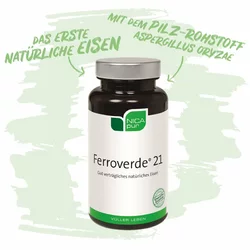
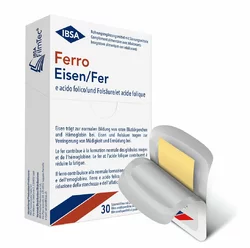
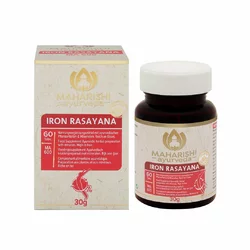
If supplements are necessary: prefer chelated forms
Chelated iron supplements (e.g. iron bisglycinate) are considered better tolerated and cause fewer losses in the gastrointestinal tract. Choose products and dosage only in consultation with your doctor.
- Observe timing of intake and medical guidance
Recommendation for supplements: it is often advised to take them 15 minutes before breakfast to improve absorption. Always follow the instructions of the healthcare professional and the product information.