Eco-friendly items
10 ways to make your daily habits more environmentally friendly
-
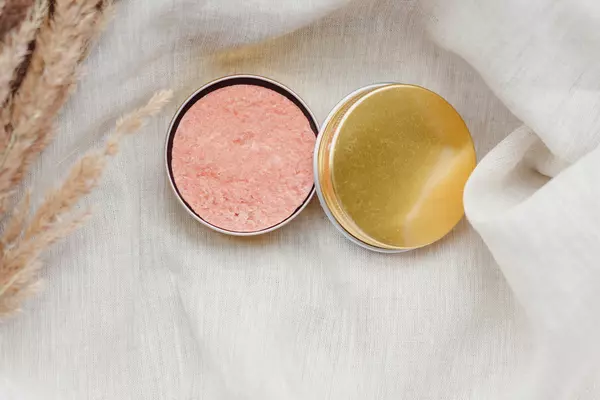
Switch to solid personal care products
Solid shampoos, shower products and soaps not only save packaging but often contain less water and more active ingredients. Many brands offer high-quality, concentrated alternatives that are especially environmentally friendly. Ideal for the bathroom, travel and everyday use.
-
Choose plastic-free oral care
Bamboo toothbrushes, bio-based toothbrushes or toothpaste tablets in glass significantly reduce plastic waste. At the same time, they deliver good cleaning performance and natural ingredients – an easy switch with big impact.
-
Use reusable products for your period
Menstrual cups and washable cloth pads replace hundreds of disposable items each year. They are gentle on the skin, hygienic and save a lot of money in the long run – a sustainable step for the environment and your body.
-
Use refillable systems
Liquid soap, shampoo or household cleaners are often available in practical refill pouches. This saves up to 70% of hard plastic and makes your shopping much more sustainable. Many drugstores and pharmacies already offer refill concepts.
-
Build an eco-conscious home medicine kit
Choose battery-free thermometers, plasters made from bamboo or organic cotton and reusable cold packs. These products last a long time, reduce waste and work just as reliably as conventional versions.
-
Look for effective natural cosmetics labels against microplastics
Labels like NATRUE or COSMOS guarantee care products without solid or liquid plastics. That protects waterways and your skin. Many mineral sunscreens are also coral-friendly – perfect for holiday and daily use.
-
Opt for plant-based alternatives for minor ailments
Phytotherapeutic preparations can be a good, environmentally friendly option for minor complaints. They are based on plant substances whose residues are biodegradable. Pharmacists can advise you especially competently.
-
Prefer biodegradable or recyclable materials
Products made from bamboo, hemp, glass or recycled plastic are more durable and much more resource-efficient. Whether kitchen utensils, makeup removers or water bottles – the selection keeps growing.
-
Buy seasonal, regional and certified foods
With organic quality, short transport routes and seasonal products you immediately lower your ecological footprint. Easy to recognise by the EU organic logo or Demeter label – and often particularly high in quality.
-
Avoid unnecessary packaging and use your own reusable containers
Buying loose items, bringing your own cotton bags, glass jars or bread bags – these small routines save a lot of waste. When ordering online it's also worth consolidating shipments and choosing reduced-plastic packaging.