Dog care
10 tips to pamper your dog safely and professionally at home
-
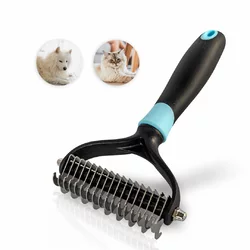
Brush the coat regularly – matched to your dog’s coat type
How often you need to brush depends largely on the coat. Long‑haired dogs such as Collies or Golden Retrievers require daily to every‑other‑day care, while short‑haired dogs often only need brushing once every one to two weeks. Removing loose hair prevents itching, matting, hidden grass seeds and skin infections. Use appropriate brushes or undercoat rakes – ideally those that can penetrate dense coats as well.
-
Carefully trim bothersome or overly long hairs
Excessively long hairs around the eyes, paws or ears not only reduce your dog’s comfort but also promote irritation and dirt accumulation. Only cut if your dog is calm and use a safe rounded‑tip scissor. Hairs inside the ear should be removed exclusively by professionals, as this improves air circulation but can easily cause injury. For beginners, ergonomic paw scissors are available that reduce the risk.
-
Shorten the nails before they cause pain
A typical sign of overly long nails is a clicking sound on hard floors. If nails remain too long, they press painfully into the nail bed when walking – over time this can lead to joint damage. Use a nail cutter that cuts the nail rather than crushing it. Work millimetre by millimetre, especially if the "quick" (the blood‑rich part) extends far forward. Alternatively, a coarse file can be used – it is considered particularly safe.
-
Check your dog’s skin thoroughly at every grooming session
Run your fingers through the coat and watch for lumps, scabs, redness, small wounds, bald patches or black "pepper" that can indicate parasites. Parting the coat helps to detect skin changes early. Allergies are common in dogs – the sooner you notice changes, the sooner a vet can help. Skin‑soothing care products can further ease irritations.
-
Accustom your dog slowly and positively to all care routines
Many dogs need time to accept grooming. Make it easy for your pet: a malt paste on the bathtub or tiled floor distracts while you brush or bathe. Work in short sessions, give lots of praise and use a non‑slip bath mat. This turns grooming from a stress factor into a comfort moment – especially important for puppies.
-
Check ears regularly – and clean them only with appropriate solutions
A healthy ear smells neutral and is dry. Watch for redness, a strong odour, increased scratching or head shaking. Ear cleaners are dropped into the ear and then gently massaged so dirt can loosen. Cotton buds are a no‑go – they push dirt deeper and can cause injuries.
-
Bathe your dog only when truly necessary – and always with a pH‑balanced dog shampoo
Dogs need bathing much less often than many people think. Generally, a few months between baths is enough, because bathing too frequently strips the skin of natural oils and can dry it out. Use only pH‑neutral, soap‑free dog shampoos that protect the skin barrier and have a re‑fatting effect. Wet the coat thoroughly with comfortably warm water, massage the shampoo in gently and avoid eyes and ears. Rinse thoroughly until no residue remains, then dry your dog either in the air or gently with a towel or blower on the lowest setting. High‑quality dog shampoos not only clean but also support skin health.
-
Care for paws, pads and interdigital spaces regularly
Paws are exposed to heavy daily stresses, whether from stony paths, heat, cold or road salt. Check frequently for cracks, irritations or foreign bodies, and ensure the hair between the pads does not become too long, as it can trap dirt, ice or salt and promote inflammation. Careful cleaning after walks and applying a protective paw balm keeps the pad skin supple and strengthens the natural barrier. In winter, more intensive care is advisable to prevent drying and painful cracks.
-
Clean the eyes gently and watch for signs of irritation
Many dogs tend to have watery eyes, especially small breeds. Tear fluid can discolour the coat or form crusts. Use mild eye‑cleaning solutions to prevent tear stains. Watch for warning signs such as excessive blinking, purulent discharge, light sensitivity or cloudy eyes – these require veterinary assessment.
-
Pay attention to consistent dental care
Dental problems are among the most common issues in dogs, as food residues quickly form plaque and later tartar. Brush your dog’s teeth several times a week with a dog toothbrush or finger brush and a special dog toothpaste that is safe if swallowed and works enzymatically. Chew toys and dental care snacks also help remove deposits mechanically and stimulate saliva production, which supports natural self‑cleaning. Regular dental care prevents bad breath, gingivitis and painful damage – and plays a key role in maintaining your dog’s long‑term quality of life.