Biotin
10 tips for healthy skin and nails – with a focus on micronutrients
-
Rely on a biotin‑rich diet
Your body can store only limited amounts of biotin, so regular intake matters. Oats, eggs (boiled or fried), nuts, legumes and dairy products are among the most reliable sources. With a balanced diet, most people reach the recommended 40 µg per day – pregnant and breastfeeding women require slightly more.
-
Be aware of risk factors that can increase your needs
Certain medications such as antibiotics or anti‑epileptics, as well as chronic bowel disease or dialysis, can impair biotin absorption. In such cases, targeted advice at the pharmacy is worthwhile. Supplements in tablet or capsule form allow precise dosing when diet alone is not sufficient.
-
Use cooking methods that preserve biotin
Biotin is heat‑stable but water‑soluble – during cooking some is lost into the cooking water. Steaming instead of boiling, short cooking times and reusing cooking water (e.g. for soups or sauces) prevent unnecessary losses. That way you get the most out of your vegetables with no extra effort.
-
Include fermented and sprouted foods more often
Fermentation and sprouting have been shown to increase the biotin content of foods. Products such as kombucha, kefir, kimchi, miso or sprouted lentils give your diet a valuable boost – while also supporting your gut flora.
-
Consider the right combination of foods
Biotin works best when your body receives enough protein, vitamins and minerals. A balanced diet strengthens the activity of biotin‑dependent enzymes. Regularly complement your meals with whole grains, healthy fats, fresh fruit and vegetables.
-
Review your beauty routine – biotin also works topically
Many care products contain biotin to strengthen hair and nails and to improve the skin’s resilience. Especially for brittle nails or a sensitive scalp, biotin‑containing serums, shampoos or intensive treatments can be an effective complement to internal supply.
-
Use supplements only in a targeted and informed way
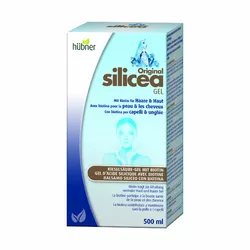
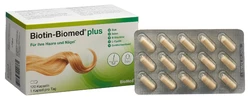
Biotin supplements can be helpful – particularly for proven deficiency, hair loss or brittle nails. However, high‑dose biotin can affect laboratory results, for example in thyroid or cardiac diagnostics. Therefore inform your doctor or the laboratory if you are taking biotin.
-
Support your gut health
A healthy gut can produce small amounts of biotin itself. After prolonged antibiotic use or with sensitive digestion, this production can be reduced. Probiotic foods or appropriate preparations help stabilise the gut flora – and thus improve biotin supply.
-
Avoid factors that may inhibit absorption
Raw egg white contains avidin – a substance that binds biotin and blocks its action. Heating destroys this property of avidin. If you eat eggs regularly, prefer cooked or fried varieties. High alcohol consumption and smoking also negatively affect biotin metabolism.
-
Be consistent
Many users report changes in hair, nails or skin only after six to ten weeks. Biotin supports cell growth and metabolism – and patience is required. With a nutrient‑rich diet, targeted care and, if needed, supplements, you create the best conditions for long‑term results.