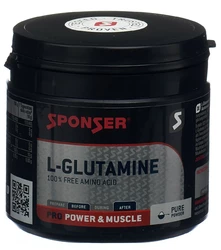
Amino acids
More vitality and muscle success: 10 simple tips that work
-
Rely on protein‑rich foods
Amino acids are the building blocks of proteins. Make sure to follow a balanced diet with high‑quality protein sources such as lean meat, fish, eggs, dairy or plant‑based alternatives like legumes and quinoa. This provides your body with optimal daily support.
-
Supplement with high‑quality amino acid preparations
When requirements are higher, for example due to sport or stress, supplements can be useful. Stress can affect amino acid balance and promote muscle breakdown. Choose products with natural, well‑bioavailable amino acids that support your body in a targeted way — this helps muscle progress and recovery.
- Use the power of branched‑chain amino acids (BCAAs)
BCAAs play a central role in muscle building and providing energy during training. Products containing these building blocks help prevent muscle loss and can boost your performance.
-
Take them regularly throughout the day
Distribute your protein intake across several meals to ensure a steady supply of amino acids. This supports not only muscle growth but also cellular regeneration and your overall wellbeing.
-
Combine plant protein sources cleverly
Plant‑based foods often contain certain amino acids in lower amounts. By combining legumes with grains or nuts you can achieve a complete protein supply that optimally nourishes your body.
-
Drink enough water for amino acid management
Water significantly supports your metabolism and the absorption of amino acids. Ensure a daily fluid intake of about 1.5 to 2 litres to promote vitality and recovery.
-
Use amino acids to support skin and hair care
Amino acids are also important components of collagen and keratin. Adequate supply can improve skin elasticity and strengthen hair — for a healthy, radiant appearance.
- Pay attention to the quality of your supplements
Opt for products without artificial additives and with transparent ingredients. This ensures your body can absorb and utilise the amino acids optimally.
- Incorporate amino acids into your pre‑workout routine
Taking amino acids before training can enhance performance and reduce muscle breakdown during the workout. This helps you start your session with more energy.
- Seek professional advice for your individual nutrition
Because every body is different, the optimal amino acid intake can vary. Get advice from professionals to tailor your diet and, if necessary, supplementation to your individual needs.