Liste de souhaits

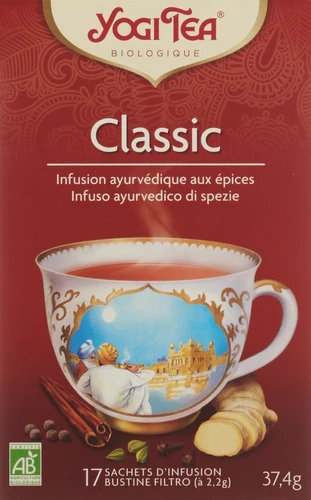
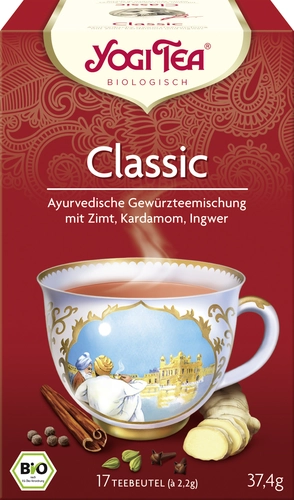
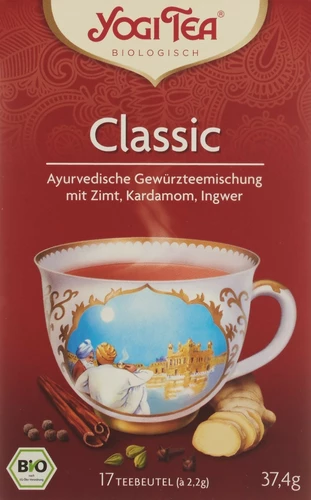
YOGI TEA Classic Cinnamon Spice

17x2.2 g
étoile d'avis1
étoile d'avis2
étoile d'avis3
étoile d'avis4
étoile d'avis vide
4.5
(2 reviews)

Product information

3.90
1
product.availability.weDispatch
19.03.2026
58 product.availability.itemsFromSwissStock
product.availability.available
product.availability.freeShipping CHF 99
product.availability.notReturnable

Warming Ayurvedic Tea with Cinnamon and Ginger – 17 Bags

Warms from within with cinnamon and ginger

Contains 50% cinnamon for a distinct sweetness

Vegan and gluten-free with no artificial additives

Produced from controlled organic farming

Ideal for a relaxing break

Easy preparation for any moment

Warming Ayurvedic Tea with Cinnamon and Ginger – 17 Bags

Product Details

YOGI TEA Classic Cinnamon Spice is an Ayurvedic spiced tea blend that combines the flavors and powers of India with gentle cinnamon, zesty ginger, and sweet cardamom. This tea was first served in 1969 by Yogi Bhajan after yoga classes and has since become a favorite. The harmonious combination of ingredients offers both a warming and relaxing experience. It is best enjoyed sweetened and with milk or a plant-based alternative.

Features

YOGI TEA Classic combines the benefits of exotic spices and is known for its warming effects. The main features of the blend include:

  • Contains 50% cinnamon for a sweet note
  • Enriched with cardamom and ginger for digestive support
  • Vegan and gluten-free, suitable for various diets
  • Sustainably produced from controlled organic farming
  • Ideal for warm beverages at any time of the day
  • Perfect for a relaxing break after the day

The combination of these spices creates an intense and satisfying flavor experience. The subtle message of the tea is "Abundance and Comfort", making it an ideal choice for relaxing moments.

Ingredients

Cinnamon* (50%), Cardamom* (15%), Ginger* (15%), Cloves*, Black Pepper*, Cinnamon Oil*. Controlled organic farming.

Usage

For optimal enjoyment, place a tea bag in a cup of hot water and let it steep for 5 to 7 minutes. Sweeten to taste and serve with milk or a milk substitute. Recommended portion: 1 teabag per cup.

Mandatory Information

The recommended daily dose should not be exceeded. Dietary supplements are not a substitute for a varied and balanced diet, as well as a healthy lifestyle. Keep out of reach of small children.

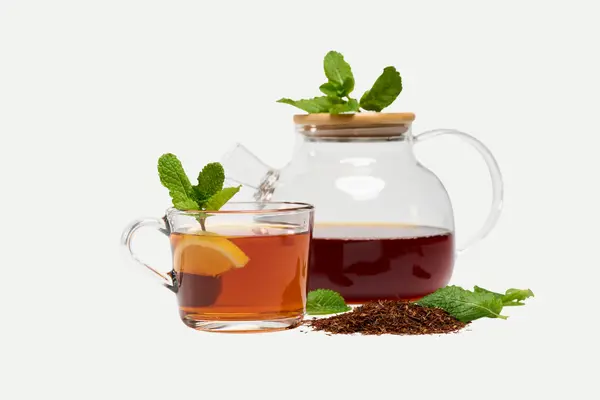
Thé Rooibos
Thé Rooibos
10 secrets d'Afrique du Sud pour votre tasse de thé
Le thé rooibos est une tisane sans caféine originaire d’Afrique du Sud, idéale pour l’après-midi ou le soir. Il a un goût doux et légèrement sucré, est généralement bien toléré et se boit chaud ou en thé glacé. Selon le mélange, il apporte des antioxydants et se marie bien avec le citron, la vanille ou les épices. Vous voulez savoir comment préparer et savourer correctement le rooibos ?
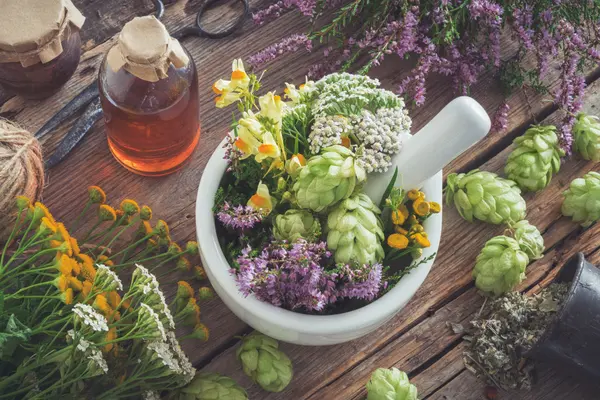
Infusion d'herbes
Infusion d'herbes
10 conseils pour savourer et se sentir bien
Les infusions d'herbes sont une manière simple et naturelle d’offrir à votre corps et à votre esprit les précieux principes des plantes. Que ce soit pour la détente, pour soutenir la digestion ou comme alternative réconfortante au thé classique – bien préparées, les herbes libèrent tout leur arôme et leurs effets. Avec les connaissances appropriées, des feuilles, fleurs et racines séchées deviennent un véritable rituel de bien‑être. Voulez‑vous savoir comment préparer au mieux les infusions d'herbes et les utiliser spécifiquement selon vos besoins ?
Épices ayurvédiques
Épices ayurvédiques
10 secrets ayurvédiques pour une meilleure digestion & un éclat intérieur
Les épices ayurvédiques sont de petits concentrés d'énergie naturelle qui, depuis des millénaires, rééquilibrent le corps, l'esprit et la digestion. Leurs principes aromatiques agissent non seulement dans la cuisine, mais en profondeur dans l'organisme — ils réchauffent, apaisent, soulagent et apportent une nouvelle vitalité. Qu'il s'agisse de curcuma, gingembre, cumin ou ashwagandha — chaque épice suit une logique ayurvédique claire qui renforce votre santé de façon globale. Mais comment utiliser correctement ces trésors traditionnels ?