Chaste tree
When plants accompany the cycle
What is chaste tree?
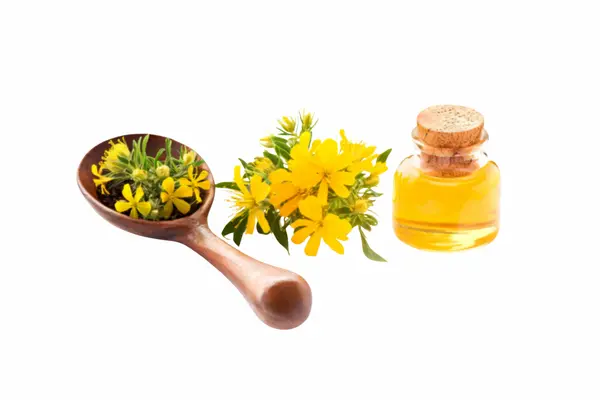
Chaste tree, botanically known as Vitex agnus-castus, is a distinctive shrub from the mint family (Lamiaceae), which also includes valued plants such as basil, lavender and sage. Unlike the generally low‑growing relatives in this family, the chaste tree can reach an impressive height of up to four metres.
The plant is characterised by its fragrant, delicate inflorescences of small individual flowers and its aromatic leaves. Due to its long‑standing traditional use it is often referred to as the «chastetree» — a name reflecting its history in herbal medicine.
Particular attention is given to the small, drupe‑like seeds, about two to three millimetres in size, which resemble peppercorns and contain the valuable active constituents. These fruits are central to processing and are commonly used in supplements or herbal preparations, for example as teas, drops, capsules or tablets. As a spice they reveal a mild pungency with a fine bitter note that works well in marinades or dishes with legumes.
editorial.facts
- Already in antiquity chaste tree was highly valued as a medicinal plant. Its sturdy branches were used for weaving fences, while the reddish to black‑coloured fruits were used as a pepper substitute because of their piquant taste.
- Aside from its practical uses, chaste tree also played a significant role in spiritual life. The Greeks used it as a protection against danger, to preserve chastity and to promote fertility.
- Originally native to the warm Mediterranean region, chaste tree spreads along coasts, riverbanks and in damp riverside woods as far as Western Asia. It favours well‑watered locations that encourage its luxuriant growth.
- About one in ten women is affected by endometriosis.
How does chaste tree affect the body?
Chaste tree can naturally support the hormonal balance, since ripe fruits contain various constituents including essential oils, iridoid glycosides and diterpenes. These compounds can influence the interaction of certain neurotransmitters and help regulate the release of prolactin.
Prolactin is particularly elevated during breastfeeding to promote milk production and the growth of mammary glands. At the same time, elevated prolactin levels can alter the balance between progesterone and estradiol. Constituents of chaste tree may support a harmonious balance in the second half of the cycle, which can have a positive effect on cycle length and regularity. In this way chaste tree can be a useful adjunct to help the body during cycle‑related fluctuations.



What are the benefits of taking chaste tree?
Taking chaste tree may contribute to the harmonisation of hormonal regulation and supports a balanced experience of physical and emotional changes.
Furthermore, the plant can be a useful aid for cycle irregularities to help restore a natural rhythm. Both women and men may benefit, since chaste tree can positively influence hormonal balance.
During menopause chaste tree has been traditionally used to support wellbeing and to help alleviate accompanying symptoms such as hot flashes or sleep disturbances, thereby promoting quality of life during this phase.
Welche Darreichungsform von Mönchspfeffer bevorzugen Sie?
How does chaste tree work for PMS?
The premenstrual syndrome is often associated with hormonal fluctuations. Elevated prolactin can affect the balance between oestrogen and progesterone. Constituents of chaste tree may help bring prolactin back into balance, which can positively affect how one feels during the cycle.
A regulated prolactin release can help reduce typical symptoms such as irritability, mood swings or physical tension, without claiming specific curative effects.
Can chaste tree really help with fertility?
Chaste tree is often discussed in the context of hormonal imbalances and fertility. It can help regulate an excessively high prolactin level. Through this action the maturation of the egg and the preparation of the uterine lining can be supported, making the plant an interesting complementary measure.
In cases of hormonal imbalances such as progesterone deficiency or PCOS, chaste tree can be a meaningful supplement to accompany the cycle. Its action is mediated via natural regulatory hormones, not as a pharmaceutical drug.
What side effects can chaste tree have?
Chaste tree is considered a gentle, natural companion for hormonal balance, although side effects can occasionally occur. Attention should be paid to allergic reactions such as skin rashes or itching, which may indicate an individual intolerance. Gastrointestinal complaints, including nausea or mild cramps, can also occur occasionally, indicating that the plant can act sensitively on the organism.
As chaste tree is involved in hormonal processes, interactions with certain medications or in the presence of hormonal disorders cannot be ruled out. Responsible use in consultation with knowledgeable professionals is advisable, particularly for pregnant and breastfeeding women, for whom use is not recommended.
How to use chaste tree: useful tips
- Always follow the manufacturer’s recommended dosages when taking chaste tree, as the concentration of active ingredients can vary widely between preparations. Especially when used as a tea, the active content is usually lower than in extracts or capsules.
- For women with PMS or PMDD an initial dose of around 240 milligrams daily across the entire menstrual cycle is often recommended. If well tolerated, the dose can be adjusted gradually.
- In menopause a daily dose of 40 to 80 milligrams spread over the day is sometimes discussed. Preparation as a tea can be a gentle and pleasant alternative.
- For menstrual pain a daily intake of about 40 milligrams a few days before the onset of bleeding is often recommended. After the end of the period, a break until the next cycle can be taken.
- For fertility or irregular cycles a daily intake of 40 milligrams of chaste tree is recommended. However, note that chaste tree should not be taken during a confirmed pregnancy.
- Patience is important when using chaste tree: noticeable effects on the cycle often appear only after about three months of use.
- Since herbal remedies do not work the same for everyone, pay attention to your body's signals and seek expert advice if you have uncertainties or pre‑existing conditions.
- Choose the dosage form that suits you best: capsules and tablets provide precise dosing, while tea offers a traditional and gentle preparation method.
- Especially with existing hormone‑dependent conditions or concurrent use of certain medications, such as dopamine antagonists or oestrogen preparations, medical consultation is recommended before taking chaste tree.
- Keeping a cycle diary during use can be helpful. This allows you to document changes, better assess effects and, if necessary, adjust dose or product.
- Combining chaste tree with nutrients such as folic acid, B‑vitamins, zinc or omega‑3 fatty acids can positively support the personal cycle, particularly if you approach fertility holistically.
- If no noticeable changes occur after nine to twelve months, it makes sense to review alternative options together with a specialist.
- For cycle regulation and fertility support, continuous use for at least six months is recommended so that hormonal balance can stabilise sustainably.
Chaste tree is more than just a plant: it has traditionally been associated with hormonal balance and wellbeing. Thanks to its gentle action it can support a personal sense of equilibrium in daily life.