Bruxism
How stress sets the jaw in motion
What is bruxism?
Bruxism refers to an unconscious, recurring pattern of activity of the masticatory muscles in which the teeth are pressed together or ground against each other. This behaviour is considered a parafunction of the masticatory system because, unlike normal chewing, it has no functional purpose. It creates considerable pressure on the teeth, jaw muscles and temporomandibular joints—far exceeding the load usually experienced during eating.
The phenomenon can occur both while awake and during sleep. A distinction is made between awake bruxism, where affected individuals usually clench their teeth consciously, and sleep bruxism, which is additionally characterised by involuntary grinding movements. Bruxism occurs particularly often at night, often without the person affected being aware of it.


How can you recognize bruxism?
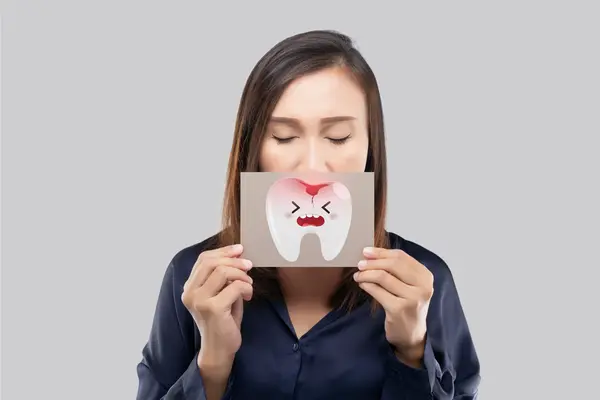
Bruxism often goes unnoticed for a long time, as those affected often do not perceive the grinding or clenching themselves. Initial clues are sounds—especially at night noticed by others—and complaints on waking, such as pain in the jaw, teeth or head area. The masticatory muscles can be tender to pressure, and tension may appear in the face, neck or back.
In the mouth you may sometimes see worn or flattened chewing surfaces, cracks in the enamel, chipped edges or tooth marks on the tongue or cheeks. Accompanying symptoms can include jaw clicking and limitations when opening the mouth. Bruxism is often only detected during dental examinations when changes in tooth substance such as wear, enamel damage or impairments of fillings and prosthetics become visible.
editorial.facts
- Between 20 and 30 percent of adults show signs of teeth grinding or clenching. Experts attribute the increasing prevalence to rising everyday stress.
- While about 22 to 31 percent of adults are affected during the day, 8 to 13 percent grind their teeth at night. Notably, nocturnal teeth grinding becomes less common with age.
- Some groups are particularly affected: for example, women aged 30 to 45 more often show symptoms. In children, nocturnal teeth grinding occurs in up to 40 percent, usually temporarily during the teeth-changing period and generally without long-term significance.
- Regular dental visits are important to detect possible consequences early. Even if a splint is already worn, check-ups every six months can help identify typical wear or damage in time.
What causes teeth grinding?
Teeth grinding usually arises from an interaction of various factors. Psychological influences such as stress, internal tension, anxiety or sleep problems often play a central role. In addition, genetic predisposition, neurological factors or central nervous system disorders can be triggers. Sleep disturbances or breathing problems during sleep can also promote bruxism.
Certain lifestyle factors such as the consumption of alcohol, caffeine or nicotine, as well as the use of certain medications, can also encourage teeth grinding. Mechanical aspects such as tooth misalignments, missing teeth or ill-fitting prosthetics can further irritate the masticatory muscles when the body compensates for minimal disturbances in dental contact.
Haben Sie Bruxismus bei sich bemerkt?
What are the consequences of teeth grinding?
Teeth grinding can have far-reaching effects, primarily affecting the teeth. The persistently increased pressure leads to wear of the dental hard tissues, which can damage enamel and dentine. The teeth then appear flattened, cracks or fractures may occur and the risk of cavities or damage to prosthetics increases. In severe cases, individual teeth may even become loose.
The periodontium and the temporomandibular joint are also heavily strained. Functional disorders manifest as pain, jaw clicking or restricted mobility. A craniomandibular dysfunction (CMD) often develops, in which the interaction between joint, muscles and teeth is disturbed. The masticatory muscles respond with fatigue or hardening.
Complaints can extend to other body regions. It is not uncommon to experience pain in the face, neck, shoulders or back. Headaches, migraines or tinnitus can also result from prolonged teeth grinding.
What does treatment for teeth grinding look like?
It depends on the individual causes. A dental examination is first carried out to identify occlusion problems, such as overly high fillings or inaccurate prosthetics, and to correct them if necessary. In more pronounced misalignments, a targeted dental or orthodontic treatment may be required.
Individually made plastic splints distribute the forces generated by grinding and are therefore often used to relieve the teeth. Some splints can also influence jaw movement patterns and are discussed in connection with muscle relaxation measures. However, they only work while being worn.
Complementary therapeutic approaches target muscle activity and behaviour. Biofeedback methods make muscle tension visible and help interrupt contractions consciously. Physiotherapeutic measures, manual treatments or self-massage can relax the muscles and compensate for functional disorders.
Since psychological factors often play a role, cognitive-behavioural approaches or relaxation techniques can be helpful. In special cases, the masticatory muscles can be temporarily weakened medically, for example by injections under medical supervision.
Practical tips: what can you do yourself against bruxism?
- Use relaxation exercises regularly to better manage existing tension. Methods such as progressive muscle relaxation, autogenic training, meditation, qigong or yoga can help lower overall tension levels.
- Pay attention to potential external influences on your sleep. Substances such as caffeine, tea, nicotine or alcohol, as well as certain medications, can impair sleep and thus promote nocturnal grinding.
- Also check your sleep quality, as sleep disturbances are often associated with teeth grinding. Irregular sleep times or stressful sleeping conditions can play a role.
- Make sure you get enough magnesium. Good magnesium supply can help reduce muscle tension and make cramps less frequent.
- Focus on magnesium-rich foods. These include peas, beans, nuts and whole-grain products, which can be easily integrated into the daily diet.
- End the day consciously by writing. Journaling can help organise and close stressful thoughts before bedtime.
- Keep a gratitude journal. Focusing on the positive experiences of the day can help reduce inner tension.
- Use guided meditations in the evening. Such sessions can support you in calming down before sleep.
- Listen to relaxing music consciously before falling asleep. Calm sounds can make the transition to sleep more pleasant.
- Go for regular evening walks. Fresh-air activity can help clear the mind and close the day.
- Treat yourself to a warm relaxing bath. Additives like lavender or other essential oils are often associated with relaxing effects.
- Intentionally include activities in your daily routine that promote positive emotions. These include exercise, especially outdoors, but also social contacts and shared laughter.
- Vary the use of your masticatory muscles. Occasionally chewing firmer foods consciously can help avoid one-sided loads.
- Open your mouth wide consciously on a regular basis, for example when yawning. This can help stretch the muscles and prevent tension.
- If tensions already exist, consider physiotherapy support. Advice on exercises or correcting poor posture in everyday life can be provided.
- Address the issue early. If you notice and adjust your habits in time, you can reduce further strain in daily life.
Bruxism is common and closely linked to stress, sleep quality and muscle tension. Those affected can actively help relieve their masticatory muscles and better control teeth grinding in everyday life by adopting targeted relaxation measures and monitoring their habits.