Lyme disease
When a tick bite leaves traces
What is Lyme disease?
Lyme disease, also known as Lyme borreliosis, is an infection caused by bacteria of the genus Borrelia. It is mainly transmitted to people through tick bites. These spiral-shaped pathogens occur worldwide in temperate climates and infect, besides humans, various animals such as mice, birds or foxes. The proportion of infected ticks varies greatly by region; nevertheless, not every bite from an infected tick leads to Lyme disease.
The course of the disease is divided into different stages, starting with an inflammatory reaction of the skin near the bite site. Later on, the pathogens can spread to joints and organs, producing a wide range of symptoms. While symptoms are often mild, the bacteria can also spread systemically and affect the nervous system or the skin over the long term.
editorial.facts
- Lyme disease is not a new condition; it has been known for more than a century.
- A tick bite does not automatically lead to disease; many people remain healthy despite an infected tick.
- If the tick is removed within the first 24 hours, the risk of infection with Borrelia is very low.
- Late consequences may only become apparent months or even years later and can affect the heart and brain, among other organs.
- In around 90 percent of cases, a characteristic skin redness appears at the onset, the so-called erythema migrans (Wanderröte).
How does Lyme disease present?
Lyme disease often first presents as a skin redness near the bite site, which develops a few days to weeks after a tick bite. The reddish discoloration spreads in a ring-like pattern, often reaching a diameter of more than five centimetres and usually appearing paler in the centre than at the edges. This typical appearance is called "erythema migrans" and can also occur on other body areas such as the head or legs.
As a rule, the redness does not itch, but flu-like symptoms such as fever, muscle aches and general fatigue may occur. These can indicate an infection even if no rash is visible. In rare cases, nodular or bluish swellings may also appear, particularly on the ears or in the genital area.
Is Lyme disease curable?
In most cases Lyme disease can be successfully treated with antibiotics. The chances of a full recovery are particularly high when the infection is recognised early. Even if the bacteria have already affected the brain or the nervous system, prospects for recovery remain good, so the disease is treatable.
Although Lyme disease is not usually life-threatening, delayed treatment can lead to lasting impairments because important organs such as the brain or heart can be affected.
Welche Massnahmen ergreifen Sie, um sich vor Borreliose zu schützen?
What makes Lyme disease dangerous?
Lyme disease can become particularly serious if it is not recognised and treated in time. The pathogens can attack various organ systems and cause severe consequences. For example, inflammation of the nervous system can develop, which presents with burning nerve pain and accompanying symptoms such as numbness or visual disturbances.
An inflammation of the joints is also possible, mainly affecting the knees and sometimes appearing months or years after the tick bite. Moreover, in late stages chronic skin changes can occur, characterised by bluish, very thin skin on the arms, legs or even fingers and toes.
There is also a risk that the heart may be affected by a rare inflammation, which can lead to cardiac rhythm disturbances. The late consequences of Lyme disease are varied and can, in addition to physical symptoms, cause persistent fatigue as well as changes in mood and behaviour.
Complicating matters, there is no guaranteed protection against the disease, so repeat infections are possible. If the disease is overlooked or inadequately treated, the bacteria can persist in the body and damage various organs. In the worst case, this can result in permanent limitations and disability.
Is Lyme disease contagious?
Lyme disease is not contagious from person to person. Infection occurs exclusively through the bite of infected ticks. Transmission of the bacteria is possible only after several hours of blood feeding.
Therefore it is important to remove ticks quickly to prevent infection. The risk of infection is mainly associated with contact with ticks in nature, especially during the summer months.
How is Lyme disease treated?
Treatment of Lyme disease involves the targeted use of antibiotics. Which agent is used and how long the therapy lasts depends on the extent of the infection and the organs involved.
In the early stage, drug treatment is generally promising and often leads to a full recovery within a few weeks. In more advanced disease, therapy can be more complex and may require longer or repeated courses of antibiotics.
Adults are typically treated with agents such as doxycycline, while children are usually given amoxicillin. These are generally taken orally for a period of two to three weeks. If internal organs, joints or the nervous system are involved, intravenous administration of ceftriaxone may be necessary and can sometimes be given on an outpatient basis.
In addition to drug therapy, physiotherapy support can be useful to reduce functional limitations in case of neurological deficits or joint problems. Long-term antibiotic therapy is not recommended as it is not effective.
How can Lyme disease be prevented: helpful tips
- Avoid spending time in tall grass or dense undergrowth, as ticks prefer moist, shady areas such as leaf litter and are particularly active there. When walking in the woods, stick to well-maintained paths where possible.
- Wear closed clothing with long sleeves and long trousers to protect your skin from ticks as much as possible. Pull socks over trouser cuffs, as ticks often climb up from the ankle area.
- Choose light-coloured clothing when outdoors so ticks are easier to spot and remove early before they attach firmly.
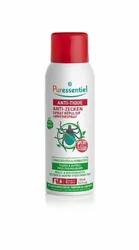
- Use insect-repellent products, so-called repellents, that repel both mosquitoes and ticks. Choose well-tested products to ensure effective protection.
- After every time outdoors, check your whole body thoroughly for ticks. Pay special attention to thin-skinned areas such as the back of the knees, abdomen, chest, armpits, groin and, for children, the head and neck area.
- Showering in the evening after being outdoors is advisable because ticks that are still on the skin and have not yet bitten can be rinsed off easily.
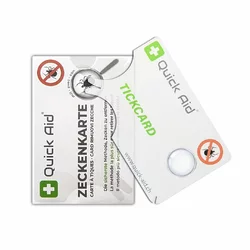
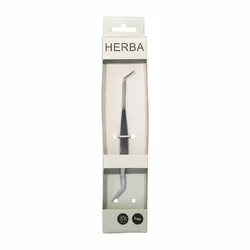
- If you find a tick, remove it promptly and carefully with fine tweezers or a special tick removal tool. It is important not to squeeze the tick to avoid increasing the risk of pathogen transmission.
- If parts of the tick, such as the mouthparts, remain in the skin after removal, there is no increased risk of infection as these are usually expelled from the skin over time.
- Avoid trying to kill ticks with glue, oil or nail polish remover, as pathogens may still be transmitted even after the tick has been suffocated.
- Keep in mind that ticks are active not only in summer but already at temperatures above 8 °C. They can therefore be active during mild winter periods or early spring.
- Ticks do not fall from trees; they wait for hosts on grasses and shrubs. Therefore take particular care at woodland edges, in meadows and in your own garden.
- Also note that the TBE vaccine does not protect against Lyme disease, as Lyme is caused by bacteria. Lyme disease can, however, be treated effectively with antibiotics if detected early.
- Make sure to check your pets regularly for ticks and, if necessary, take appropriate preventive measures, as they can also bring ticks into the house.
Lyme disease is a condition that can be well prevented with caution and knowledge. If you protect yourself and stay alert, you can enjoy time outdoors with peace of mind.