Dandruff
Help against these snowflakes
editorial.overview
What are dandruff flakes?
Dandruff is not just a cosmetic annoyance; it is also a visible sign that the delicate balance of the scalp is out of whack. They are dead skin cells that normally shed unnoticed. When this process is disrupted, the cells clump into white or yellowish flakes that are visible in the hair or on clothing.
Broadly speaking, there are dry and oily dandruff types. Dry dandruff consists of small, white flakes that fall like fine dust from the scalp. It is often caused by heated indoor air, hot blow‑drying or sensitive skin.
Oily dandruff, by contrast, is larger, sticks to the hair and scalp and looks greasy. It is caused by an excessive production of sebum. The microorganism Malassezia globosa, which lives naturally on the scalp, plays a decisive role. When it breaks down lipids, it produces oleic acid, an irritant to which about half of people are sensitive.
Was ist für Sie das unangenehmste Symptom bei Schuppen?
What causes dandruff?
The causes of dandruff are as varied as its appearances. Dry dandruff typically occurs due to external stressors. These include harsh, degreasing shampoos, hot blow‑drying, heated indoor air or a very dry climate, which all disturb the scalp’s balance. As a result, it loses moisture, becomes irritated and starts to flake. This can become noticeable, especially in winter or with sensitive skin.
Oily dandruff forms due to a too‑high sebum production, where dead skin cells mix with oil. It is often visible at the hairline, on the forehead or eyebrows and is accompanied by itching. The yeast Malassezia furfur plays a central role here; it can multiply rapidly when the skin barrier is impaired or the immune system is weakened. Stress is also a common contributing factor, since psychological strain lowers immune defences and can noticeably worsen the skin condition.
In addition, hormonal changes (e.g. during puberty, pregnancy or menopause), incorrect hair care, a hereditary predisposition or a skin disorder such as psoriasis, atopic dermatitis or seborrheic eczema can be triggers. If you frequently suffer from an itchy, flaky scalp, consider possible skin diseases or allergies, especially if over‑the‑counter anti‑dandruff products do not help. In such cases, a visit to a dermatologist is advisable to determine the exact cause and find a suitable treatment.
editorial.facts
- Dandruff is usually chronic. It does not disappear permanently but can recur. Consistent scalp care is therefore crucial to keep symptoms under control in the long term.
- About 60% of those affected suffer from severe itching in addition to visible flakes. This is caused by an inflammatory reaction of the skin to the excessive proliferation of the fungus Malassezia.
- Stress weakens the immune system — and that is precisely what the fungus responsible for dandruff takes advantage of. Those under stress should focus on relaxation, for example with yoga or meditation, to relieve their scalp.
What are the symptoms of dry dandruff?
Dry dandruff often goes unnoticed until you suddenly spot it on dark clothing. The small, white skin particles fall easily from the scalp and collect on shoulders and collars. They are fine, dry and almost powdery, which makes them clearly different from oily dandruff.
It is often accompanied by itching. The dry scalp feels tight, irritated and sensitive to friction or products. In some cases, mild redness may also appear, especially if scratching causes further skin irritation.
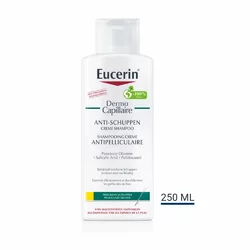
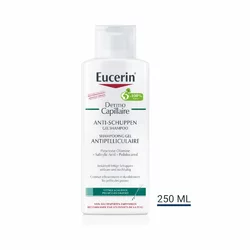
Do men have dandruff more often than women?
Indeed they do; men are significantly more often affected by dandruff than women. The reason lies both in the hormonal profile and the skin structure. Men have larger sebaceous glands and produce more skin oil. This is driven by the hormone testosterone. The increased sebum production creates ideal conditions for the yeast Malassezia furfur, which naturally lives on the scalp. If the yeast multiplies excessively, it can lead to itching, inflammation and ultimately oily dandruff.
This problem is intensified in colder months. Heated indoor air and cold outdoor temperatures dry the skin further or upset the sebum balance – in both men and women. Due to hormonally driven sebum overproduction, however, men are particularly prone.
What is the scalp lacking when there is dandruff?
Dandruff occurs either because the scalp lacks moisture, leading to dry dandruff, or because it produces too much sebum, causing oily dandruff. A deficiency in vitamins or minerals can also contribute to dandruff formation. Appropriate care can help restore the balance.
How often should you wash your hair if you have dandruff?
Wash too often and the scalp becomes irritated; wash too seldom and it gets greasy. The right balance is key.
Ideally, wash your hair two to three times a week with a gentle, anti‑dandruff shampoo. This removes excess sebum and dead skin cells – supported by specific active ingredients that may be antifungal, soothing or moisturizing depending on the product. Washing too frequently risks dryness and increased flaking, while washing too infrequently can lead to sebum buildup and oily dandruff.
Get rid of dandruff: how to care for your scalp properly
- Do not wash your hair with water that is too hot. Hot water can dry out the scalp and worsen dandruff. Use lukewarm water instead to preserve the skin’s natural protective barrier. Be careful with your hairdryer too: a cool or warm setting is much gentler.
- Use aloe vera for hydration. Aloe vera is a true moisture booster and can soothe a dry, flaky scalp. Regularly spray a mixture of aloe vera juice, thermal water and a few drops of oil onto the scalp. This not only relieves itching but also improves skin comfort in the long term.
- Use a mild anti‑dandruff shampoo, but not daily. Anti‑dandruff shampoos are helpful but should be used sparingly. Two to three times a week is usually enough to keep the scalp balanced. Washing too often can have the opposite effect and promote dandruff.
- Pay attention to proper nutrition. Zinc, biotin and omega‑3 fatty acids are important nutrients for a healthy scalp. A deficiency can promote dandruff. A balanced diet is therefore good not only for the body but also for skin and hair.
- Chamomile extracts are anti‑inflammatory and balancing, making them ideal for dry dandruff. Treat your scalp intensively by massaging a homemade mask of chamomile tea and almond oil in overnight. Rinse it out as usual in the morning.
- Avoid styling products at the hairline. Mousses, gels or sprays can clog the scalp’s pores and promote dandruff. Apply such products to the lengths instead. The fewer residues remain on the scalp, the better it can breathe and regenerate.
- Let your hair air‑dry where possible. High heat from a hairdryer can irritate and dry out the scalp. If possible, let hair dry naturally or use the cool setting on your dryer. This is gentler on the sensitive scalp.
- Tea tree oil has antimicrobial and anti‑inflammatory properties. Mix a few drops into your shampoo to combat fungi and bacteria on the scalp. This can bring noticeable improvement, especially for oily dandruff.
- Regularly massage your scalp. Scalp massages boost circulation and help the skin regenerate. Use your fingertips or a massager and massage with light pressure in circular motions. Two to three minutes daily are sufficient.
- Ensure good indoor air quality in winter. Heated air can further irritate the scalp. Ventilate regularly or use humidifiers to create a pleasant indoor climate. This helps prevent dry dandruff in winter.
- Check your hair care products. Products containing alcohol, fragrances or harsh surfactants can irritate the scalp. Look for mild ingredients such as panthenol or plant extracts. Less is often more – especially for sensitive skin.
- Apple cider vinegar is mildly acidic and can restore the natural balance of the scalp. Mix apple cider vinegar and water 1:1, leave the mixture on for 15 minutes and then rinse thoroughly. This can reduce dandruff formation. Use this remedy at most once a week.
- Wear a light head covering in summer. Strong UV exposure can also dry out the scalp. A light hat or scarf protects not only from sunburn but also shields the scalp from unnecessary stress. Scalp sunscreen products are now also available.
- If dandruff persists for weeks, is accompanied by itching, crusts or hair loss, you should consult a dermatologist. It may be a skin condition such as psoriasis or seborrheic dermatitis. Targeted medical treatment often brings rapid relief.
Dandruff is a widespread phenomenon and can appear in different forms. It often results from an imbalance of the scalp and can be well controlled with the right care. By paying attention to your scalp’s needs and caring for it regularly, you can maintain a healthy, comfortable scalp in the long term.