Polynucleotides
The sea elixir for smooth and radiant skin
editorial.overview
What are polynucleotides?
Polynucleotides are natural molecules made up of many small building blocks called nucleotides. These building blocks form our genetic material — DNA and RNA — and are found in all living organisms. They contain the information our cells need for growth, renewal and function.
In aesthetic medicine, polynucleotides are usually used in a purified form, often derived from fish DNA. Because their structure is similar to that of the human body, they are well tolerated and rarely trigger allergic reactions.
Polynucleotides are also called "biostimulators" because they encourage the skin to regenerate and renew itself. They help retain moisture in the skin and protect it from harmful influences such as free radicals. Due to these properties they are particularly valued for supporting and strengthening the skin in a natural way.
editorial.facts
- Polynucleotides often come from purified salmon DNA — more precisely from salmon roe. This DNA is surprisingly similar to human DNA, which allows our skin cells to “recognise” it and use it for regeneration. The result is a highly effective, natural method to repair and strengthen the skin from within.
- Polynucleotides stimulate fibroblasts — skin cells responsible for producing collagen and elastin. This makes the skin denser, firmer and visibly smoother. At the same time the moisture balance improves, leading to a plumper and more youthful appearance.
- These active ingredients not only support aesthetics but also promote healing and recovery of the skin. After treatments such as microneedling or laser they help reduce inflammation and accelerate regeneration.
How do polynucleotides affect the skin?
Polynucleotides support the skin by stimulating its natural renewal processes. They help skin cells divide and repair themselves more quickly. At the same time they activate so‑called fibroblasts, which produce collagen and elastin. These substances are important for keeping the skin firm, smooth and elastic. As a result the tissue is strengthened and fine lines can appear visibly reduced.
Another important effect is the improved moisturisation of the skin. Polynucleotides help the skin retain more water and promote the production of hyaluronic acid. This makes the skin look plumper, fresher and better hydrated. The circulation is also stimulated, so skin cells receive more oxygen and nutrients. That results in a healthier, more vital complexion.
In addition, polynucleotides protect the skin from harmful influences, for example UV radiation or environmental stress. They neutralise free radicals that cause cellular damage and skin ageing. At the same time they have a soothing effect by reducing redness and inflammation. Overall, polynucleotides contribute to smoother, stronger and better‑protected skin that looks naturally fresh.
Welche Hautpartie würden Sie bevorzugt mit Polynukleotiden behandeln lassen?
Which is better for my skin, hyaluronic acid or polynucleotides?
Whether hyaluronic acid or polynucleotides are better for the skin depends primarily on the desired outcome. Hyaluronic acid is particularly suitable when immediate visible results are required, for example to address volume loss or deep wrinkles. The substance binds moisture and fills targeted areas of the skin, producing a natural‑looking smoothing effect. This can make the face look fresher and firmer without losing expression.
Polynucleotides, on the other hand, work on a different level. They stimulate the regeneration of skin cells, improve skin texture and strengthen tissue long term from within.
While hyaluronic acid tends to build superficial volume, polynucleotides act deeply in the skin’s biological processes and promote renewal. The results appear a little later but are more durable and especially natural‑looking, because there is no "filling" — instead the skin quality genuinely improves.
If you want fast results, hyaluronic acid is a good option. If the goal is lasting strengthening and regeneration of the skin, polynucleotides are the better choice. In many cases a combination of both treatments achieves the best outcome, combining the immediate effect of hyaluronic acid with the long‑term action of polynucleotides for a naturally beautiful, healthy complexion.
Who is suitable for treatment with polynucleotides?
Treatment with polynucleotides is suitable for anyone who wants to improve and regenerate their skin texture naturally, regardless of age or gender. It is aimed at people who value a fresh, healthy appearance and prefer a gentle, non‑invasive method. The treatment is particularly beneficial for those noticing the first signs of skin ageing such as fine lines, loss of elasticity or a tired, dull complexion.
Those who wish to restore their skin after heavy stress — for example due to sun exposure, stress or environmental factors — also benefit from polynucleotides. They support regeneration and help strengthen the skin barrier. The treatment can also be used for uneven skin, small scars or stretch marks to make the skin appear more even and smoother.
Because polynucleotides are very well tolerated, this method is also suitable for sensitive skin types that react to many other treatments. However, before starting therapy a detailed consultation is required to consider possible exclusion criteria such as existing allergies, pregnancy or certain medical conditions and to tailor the treatment to individual needs.
How long does the effect of a polynucleotide treatment last?
The effects of a polynucleotide treatment can last up to 18 months. The exact duration is, however, individual. Factors such as the current skin condition, daily skincare routine and the personal response of the skin to the treatment play a significant role.
To maintain and consolidate the results achieved, regular touch‑up treatments are recommended. These support the long‑term improvement of skin quality.
Which areas are suitable for polynucleotide treatments?
Due to their versatile mode of action, polynucleotide treatments are suitable for numerous areas of the body where skin quality should be improved. Especially on the face they can refine skin texture and visibly reduce fine lines. The sensitive skin around the eyes is tightened and smoothed, resulting in a fresh, awake appearance.
Polynucleotides are also very suitable for the neck and décolleté. There they increase tissue elasticity and produce a firming effect that often diminishes with natural ageing. The skin on the hands can also be rejuvenated and intensely moisturised, which is particularly beneficial for dry and stressed skin.
Another application area is the scalp. There polynucleotides promote circulation and support the health of hair follicles. In this way they contribute not only to skin regeneration but can also positively influence hair growth.
What are the disadvantages of polynucleotides?
Polynucleotide treatment is generally considered well tolerated and safe. As with many injectable procedures, temporary side effects can occur. These include mild swelling, redness or small bruises at injection sites. These symptoms are usually harmless and resolve by themselves within a short time, without long‑term consequences.
Polynucleotides: regenerate your skin visibly from within
- Activate your cell regeneration from within. Polynucleotides work deep in the skin by stimulating cell regeneration. Damaged skin cells are repaired and the formation of new, healthy cells is promoted. The result is a visibly rested and more even complexion — without drastic interventions.
- Support natural collagen production. Collagen is crucial for skin firmness and elasticity. Polynucleotides stimulate your skin to produce more collagen again — in a completely natural way. This helps your skin appear firmer, smoother and more youthful in the long term.
- Pamper sensitive areas gently. Face, neck and décolleté often react sensitively to external influences. Polynucleotides act specifically to regenerate these areas, strengthening the thin skin structure and reducing early lines. Perfect for those who appreciate gentle but effective care.
- Give the effect time. Your skin looks fresher shortly after treatment, but the full result appears after two to four weeks. At that point polynucleotides reach their maximum effect and provide visibly more firmness and radiance.
- Rely on natural biocompatibility. Polynucleotides are derived from purified salmon DNA and are therefore highly tolerable. Your body recognises them as a natural substance and responds with regeneration rather than irritation. This results in a safe, gentle and effective treatment.
- Combine polynucleotides with hyaluronic acid. This combination brings together the best of both worlds. Hyaluronic acid supplies moisture while polynucleotides strengthen skin structure at the core. Together they deliver a visibly plumper, smoother and more youthful complexion.
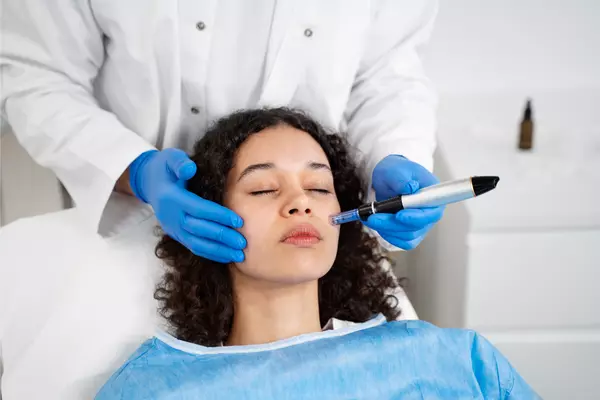
- Benefit from a gentle, low‑pain application. The treatment is performed with fine needles and is generally hardly felt. If desired, local anaesthesia can be applied. This allows you to enjoy skin regeneration in complete comfort.
- Protect your skin from heat and sun after treatment. In the first days after the injection avoid sun exposure, saunas and solariums. This gives your skin time to fully regenerate and to integrate the polynucleotides optimally.
- Support the effect with sufficient hydration. After treatment drink two to three litres of water per day. Good hydration supports cell activity and enhances the effect of polynucleotides. Your skin remains supple and radiant.
- Use polynucleotides for pigmentation issues. Uneven skin tone or light pigment spots can be significantly improved with polynucleotides. They promote a more even distribution of melanin and contribute to a uniform, vital complexion.
- Think of your scalp as well. Polynucleotides stimulate circulation and regeneration of the scalp. This can positively affect hair growth and improve hair quality. Ideal for those who want to strengthen hair from the root.
- Use mild care after treatment. Following injection the skin is particularly sensitive. Avoid peels or aggressive products and choose gentle, fragrance‑free formulations. This supports healing and prolongs the treatment effect.
Polynucleotides are an innovative and gentle way to promote skin regeneration and maintain a youthful, radiant complexion. Because of their versatile applications and natural mode of action, they are an ideal complement to a modern, holistic skincare concept. Discover the gentle power of polynucleotides and give your skin renewed freshness and vitality.