Belly fat
Get your midsection in top shape
What is belly fat and why is it problematic?
Belly fat is fat that accumulates in the abdominal area. The key factor is visceral fat, which surrounds organs such as the stomach, intestines and liver. In contrast, subcutaneous fat lies under the skin and mainly serves as an energy store. Visceral fat is considerably more metabolically active and affects central processes in the body.
This adipose tissue releases fatty acids and pro‑inflammatory signalling molecules. These travel via the bloodstream directly to the liver and interfere with carbohydrate and fat metabolism. As a result, body cells respond less well to insulin, which can cause the blood sugar level to rise.
As the amount increases, the risk of conditions such as cardiovascular problems rises, because blood vessels can be burdened by these substances. Type 2 diabetes is also closely linked to a high proportion of visceral fat. In addition, it can promote fat accumulation in the liver.
A central problem: visceral fat is often not visible from the outside. Even slim people can be affected. Therefore it is not only the waist measurement that matters, but how much fat is located inside the abdominal cavity.



What causes belly fat?
Belly fat mainly forms when the body consistently takes in more energy than it uses. The surplus is stored as fat – including in the abdominal cavity. A diet high in sugar and low in fibre causes blood sugar to rise and fall quickly. This can trigger cravings and lead to an overall higher calorie intake.
Lack of physical activity contributes to lower energy expenditure. Excess energy is then stored and can also be deposited as visceral fat in the abdomen. A diet high in rapidly digestible carbohydrates and low in protein can further disrupt carbohydrate and fat metabolism.
Hormones also influence fat distribution. A chronically elevated cortisol level, for example due to stress, can enhance fat storage in the abdominal area. Lack of sleep can reinforce this effect, as cortisol levels may rise there as well.
Additionally, age, genes and hormones determine where fat prefers to accumulate. Men tend to store fat in the abdominal area more often. In women, fat distribution shifts after menopause when oestrogen levels drop. Underactive thyroid can also contribute to increased fat storage in the body.
editorial.facts
- A simple method to check whether you have too much belly fat is to measure your waist. Women should not exceed 80 cm, men 94 cm. Values above these indicate an increased risk for health problems.
- WHR (waist‑to‑hip ratio) calculates the ratio of waist to hips. In women a value above 0.85 and in men above 1.0 is considered an indicator of increased health risk.
- Although belly fat is often viewed critically, visceral fat protects internal organs and serves as an energy reserve in times of need. It supports the body by supplying fuel to cells when required.
How long does it take to lose belly fat?
How long it takes to lose belly fat depends mainly on how consistently a calorie deficit is achieved. A realistic fat loss is often about 0.5 to 1 % of body weight per week. With moderate overweight, first visible changes can occur after a few weeks, for example a reduced waist circumference. With a higher starting weight it takes longer because more fat needs to be lost.
Weight loss is often mistaken for fat loss. Rapid changes on the scales within a few days are usually due to water losses, not fat loss. Especially reducing carbohydrates or salt can change fluid balance in the short term. Body fat, by contrast, is reduced only slowly.
What matters most for fat loss is primarily energy intake. Exercise can support the deficit, but without adapted nutrition it is usually not sufficient. Sleep and stress indirectly influence eating behaviour and thus the calorie balance.
Welche Strategie ist für Sie am wichtigsten, um die Körpermitte zu unterstützen?
Why is targeted abdominal training alone not enough?
Many people train their abdominal muscles daily in the hope of reducing belly fat – but the body does not burn fat locally. Instead, energy reserves are used according to overall needs. Abdominal exercises do strengthen the muscles, but they have no direct effect on the fat layer. Those who do only these exercises therefore usually see little visible change.
More important is the energy balance of the entire body. Exercises that engage many muscle groups at once, such as squats, deadlifts or rowing, increase calorie consumption and support metabolism even after exercise. Short, intense sessions like sprints or HIIT further increase energy expenditure and effectively promote fat burning.
A stable core, conscious breathing and correct posture make movements more efficient. Improving these basics automatically trains several muscle groups and relieves the joints. This makes training overall much more effective than isolated abdominal exercises.
Abdominal training remains useful to strengthen the muscles and stabilise the midline. To reduce belly fat, however, it is only one part of the puzzle. It is the combination of strength and endurance training, targeted core stabilisation and balanced energy intake that promotes a slimmer midsection and visible abdominal muscles in the long term.
Common mistakes when losing belly fat
When trying to lose belly fat, factors that delay fat loss are often underestimated. A common mistake is the regular consumption of alcohol or sugary drinks. A glass of wine or beer contains 120–150 calories, which with regular consumption can quickly lead to excess belly fat, because the body metabolises alcohol first.
Training is often not optimally aligned with the goals either. Long cardio sessions such as jogging or cycling do increase energy expenditure, but they do not trigger targeted fat burning in the abdominal area. High‑intensity interval training (HIIT) increases energy expenditure more than moderate cardio sessions of the same duration. In addition, strength training supports muscle growth and increases resting calorie consumption. Two to three sessions per week of strength training and HIIT are considered effective by experts to improve body composition.
The choice of foods directly influences how quickly belly fat is reduced. Highly processed foods such as ready meals or white bread contain few fibres, so satiety fades quickly. Protein‑rich meals from lean meat, legumes, nuts or grains promote muscle growth and reduce hunger between meals. Protein needs are around 0.4–0.9 g per kilogram of body weight, depending on activity. Calorie intake should also be slightly below expenditure to enable effective fat loss.
Another mistake is to overeat after exercise. Replacing the calories burned immediately prevents fat loss. Small snacks with protein and moderate carbohydrates are enough to replenish energy.
Avoiding alcohol, incorrect training, too little protein and a calorie surplus can reduce belly fat in the long term. Regular strength training, HIIT and a balanced diet help to lose belly fat and strengthen the core muscles, making the midsection more defined.
Reduce belly fat – the most effective methods
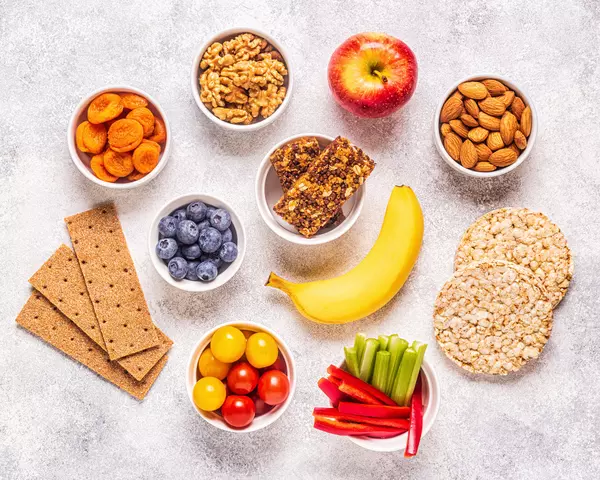
- Focus on balanced, plant‑rich foods. Reach for vegetables, fruits, nuts, seeds and quality oils such as flaxseed or rapeseed oil daily. These foods provide valuable nutrients and contribute to a balanced diet. Vegetables like spinach, peppers or blackcurrants are particularly versatile.
- Reduce sugar and highly processed products. Sugary snacks, white bread or convenience products supply many calories that can add up. Prefer whole grain products and fibre‑rich vegetables to make your meals varied and nutritious.
- Include protein in every meal. Protein‑rich foods such as lean meat, fish, eggs, legumes or nuts ensure a balanced meal. They can help control hunger between meals and make the overall diet more satiating.
- Be active regularly. Small everyday activities like taking the stairs, cycling or walking increase energy expenditure and support an active lifestyle. Goal: at least 150 minutes of moderate activity per week.
- Use HIIT sessions. High‑intensity interval training (e.g. 20–30 minutes, 2–3 times per week) fits well into daily life and complements other forms of activity.
- Combine strength training with endurance. Exercises for large muscle groups such as legs, back and chest can improve fitness and contribute to an overall active lifestyle. 3–4 sessions per week are a good guideline for beginners and intermediate trainees.
- Ensure adequate sleep. Regular, restorative sleep of 7–8 hours per night supports daytime energy and contributes to a balanced lifestyle. Lack of sleep can impair overall well‑being.
- Reduce stress intentionally. Short relaxation exercises, breathing techniques, yoga or meditation for 5–10 minutes a day help make daily life calmer and improve quality of life.
- Monitor calorie intake. Adjust your meals to your individual energy needs without unnecessary restriction. Conscious planning helps you eat balanced meals and supports eating behaviour.
- Plan small post‑workout snacks. A snack with protein and moderate carbohydrates can help spread meals evenly over the day. This keeps energy balance stable.
- Promote a fibre‑rich gut environment. Fibre‑rich foods such as vegetables, whole grains and legumes support digestion and contribute to a balanced diet.
- Opt for long‑term changes rather than short‑term diets. Crash diets generally produce only temporary effects. A sustainable change in eating habits, combined with regular activity, adequate sleep and stress management, supports long‑term healthy living.
Reducing belly fat is not a short‑term race but a combination of mindful eating, regular activity, adequate sleep and targeted stress management. Small everyday changes add up and lead in the long term to a healthier midsection. Those who prioritise fibre‑rich foods, protein sources and moderate movement lay the foundation for sustainable well‑being. Patience, consistency and a balanced lifestyle pay off – not only for a flatter waist, but also for more energy, better quality of life and a positive body experience in everyday life.